Comfortable & Gentle Wisdom Tooth Removal in Vancouver
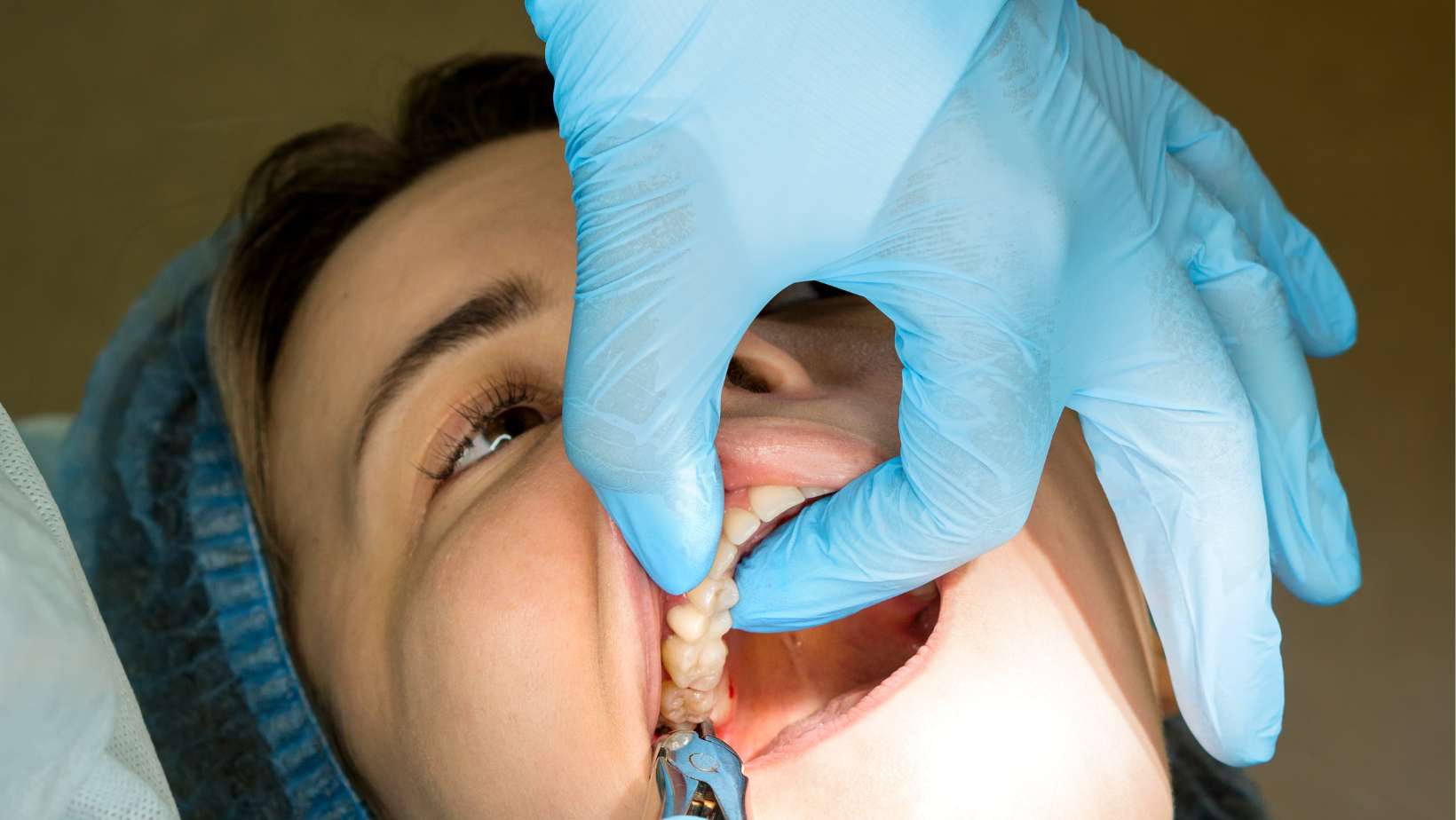
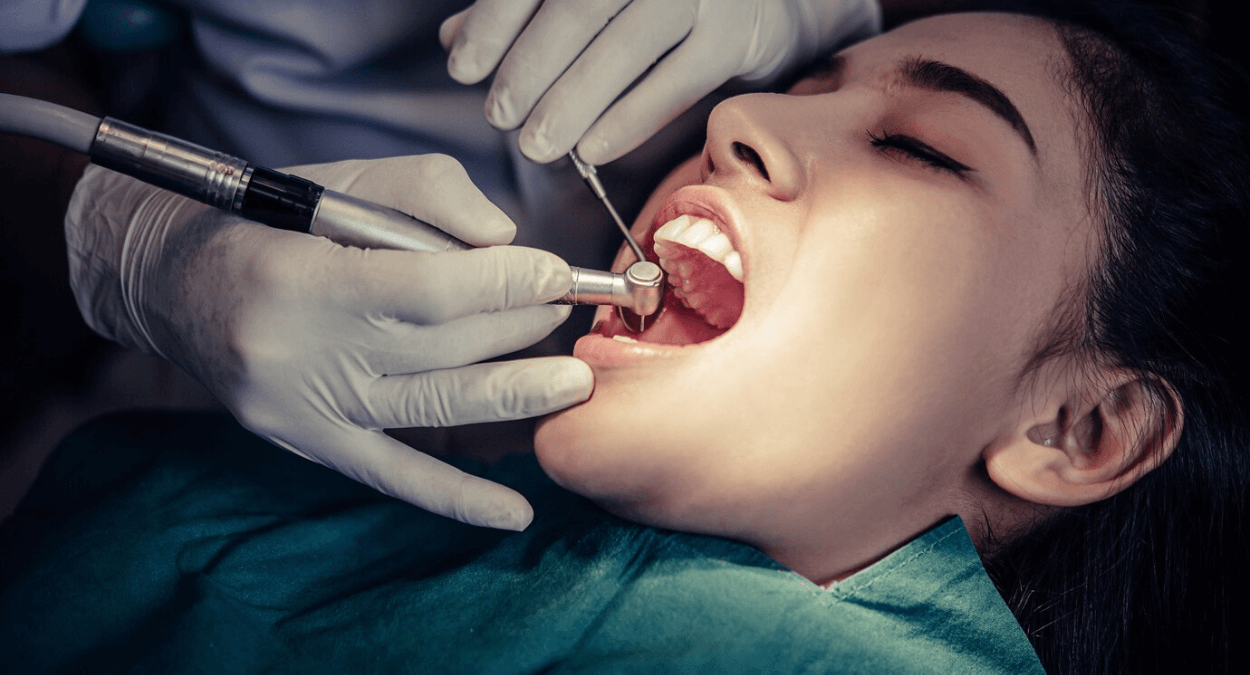
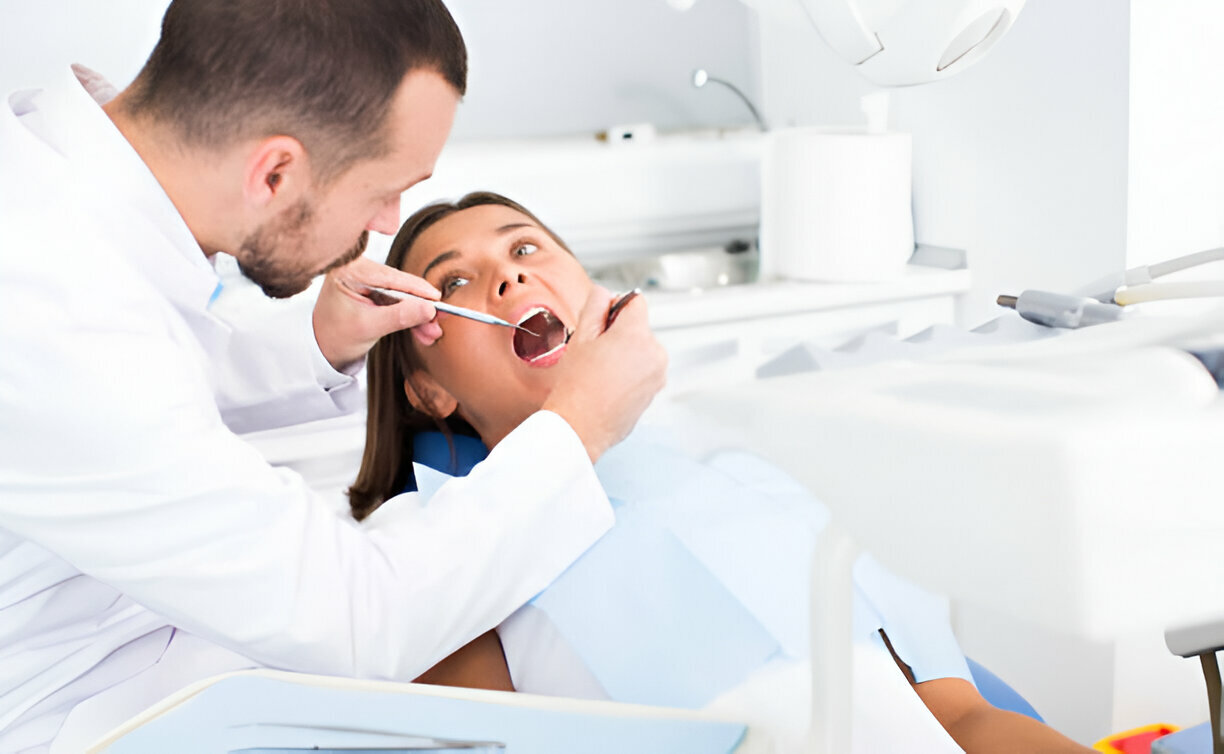
Are your wisdom teeth causing pain or discomfort? This is a common issue in late teens and early twenties, often leading to swelling, jaw pain, or crowding. At Dentist on Kingsway, we provide gentle, stress-free wisdom tooth extraction in Vancouver using advanced technology, ensuring a smooth, comfortable experience from start to finish.
Not everyone needs their wisdom teeth taken out, but for many people, these extra molars can lead to a variety of oral health problems, such as:
Pain or pressure in the back of your mouth
Swelling or tenderness in the gums
Shifting or crowding of nearby teeth
Tooth decay or gum infections caused by hard-to-clean areas
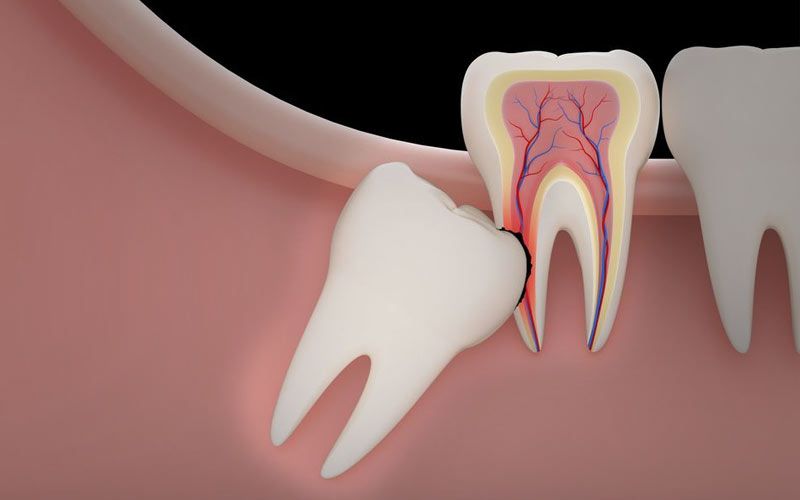
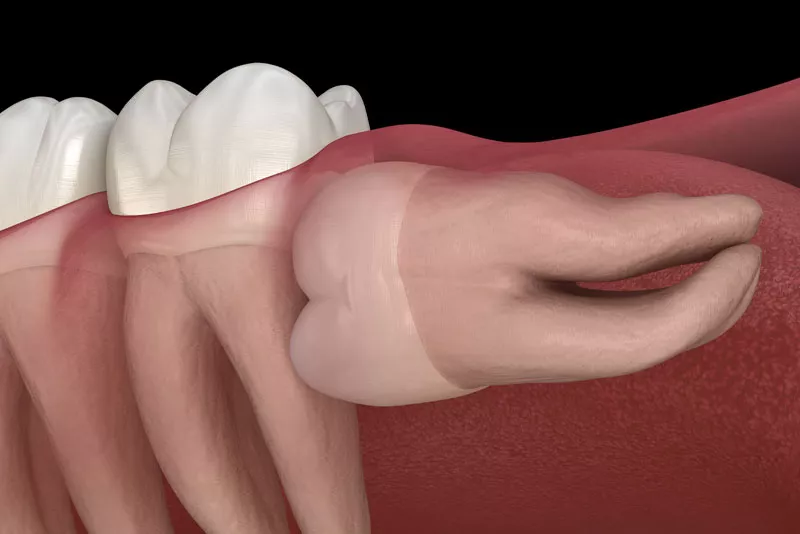
Impacted wisdom teeth trapped beneath the gums or jawbone
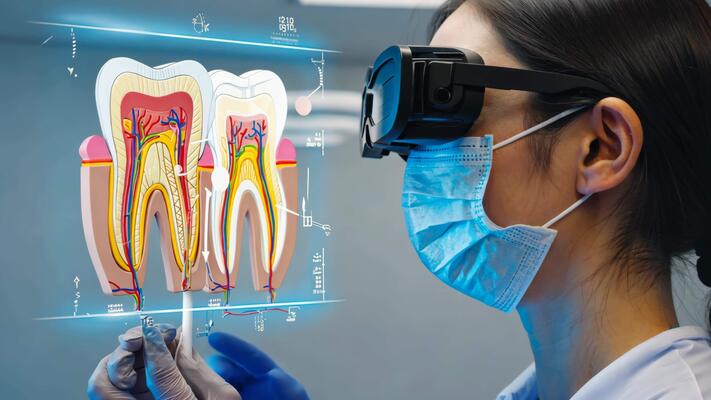
At Dentist on Kingsway, we’ll take detailed digital X-rays to determine the exact position of your wisdom teeth and whether removal is the right choice for your long-term dental health.
Prevent Overcrowding
Wisdom teeth often erupt in an already crowded mouth, pushing neighboring teeth out of alignment. This can undo years of orthodontic work and cause bite issues. Early removal ensures your smile stays properly aligned and functional.
Avoid Pain & Swelling
Impacted wisdom teeth can cause significant discomfort, including jaw stiffness, swelling in the gums, headaches, or pain that radiates to the ear or neck. Extraction alleviates these symptoms and restores comfort quickly.
Reduce Risk of Infection
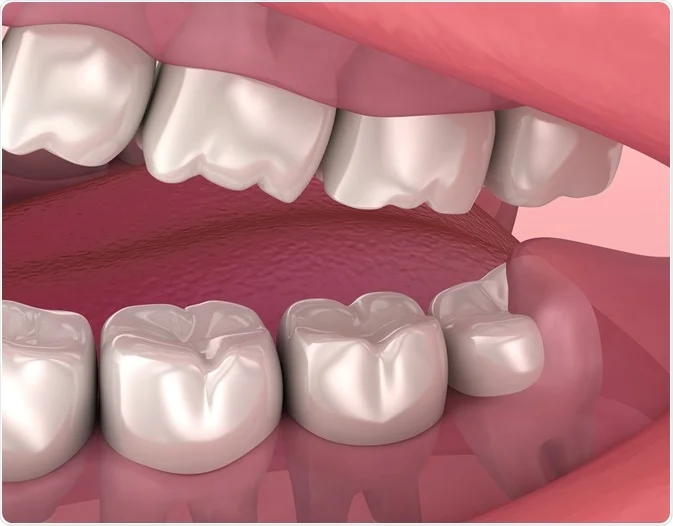
When wisdom teeth only partially break through the gums, they create deep pockets that are hard to clean and become breeding grounds for bacteria. Removing them prevents infections like pericoronitis and keeps your gums healthy.
Protect Adjacent Teeth
The pressure from wisdom teeth can cause nearby molars to shift, become damaged, or even decay due to difficulty cleaning the area. Timely extraction preserves the health and integrity of your surrounding teeth.
Easier Oral Hygiene
Wisdom teeth are located far back in the mouth, making them difficult to brush and floss properly. Without them, maintaining good oral hygiene becomes easier, reducing the risk of cavities and gum disease.
Prevent Cysts & Jaw Issues
Impacted teeth can form cysts or tumors within the jawbone, potentially damaging nerves, roots, and surrounding bone. Removing wisdom teeth reduces these long-term complications and safeguards your oral health.
Benefits of Professional Wisdom Tooth Removal
Removing your wisdom teeth at the Dentist on Kingsway can bring both immediate relief and long-term benefits, including:
Relief from ongoing pain and swelling
Protection against infection and gum disease
Reduced crowding and better alignment of your other teeth
A healthier, more comfortable bite
Peace of mind knowing your oral health is taken care of
A gentle, professional extraction means you can return to smiling and eating your favorite foods much sooner.
Why Choose Dentist on Kingsway?
Although any oral surgery may seem frightening, our kind staff is here to make it simple. Because we combine expertise, technology, and sincere care, patients trust us for wisdom tooth removal in Kingsway.
Here’s what sets us apart:
Experienced Team– Our dentists have years of experience performing gentle extractions with precision.
Modern Technology – We utilize digital imaging and advanced surgical tools to achieve safer, faster results.
Personalized Approach – Every treatment is planned around your comfort and dental needs.
Caring Environment –Our friendly staff will make you feel at ease from consultation to aftercare.
Emergency Appointments Available – If you’re in pain due to an impacted or infected wisdom tooth, we offer same-day emergency appointments to provide quick relief.
Trusted by the Community – Patients across East Vancouver trust Dentist on Kingsway for their oral surgery needs due to our compassionate care and proven results.
We’re here to ensure your experience is calm, comfortable, and completely free of surprises.
What Makes Our Wisdom Tooth Removal the Right Choice for You
Expert Wisdom Tooth Extraction
Trust our experienced dental team for safe, precise, and stress-free removal of wisdom teeth, even in complex or impacted cases.
Comfortable, Pain-Free Treatment
We use local anesthesia and offer sedation options to make sure you feel calm and pain-free throughout the procedure.
Advanced Diagnostic Technology
Our clinic uses digital X-rays and modern imaging tools to assess tooth position accurately for a smooth removal process.
Fast & Smooth Recovery
With gentle techniques and personalized aftercare, most patients experience minimal discomfort and faster healing.
Trusted Care in Vancouver
We’re proud to be the go-to dental clinic in East Vancouver for compassionate, expert care and excellent results.
Book Your Wisdom Tooth Consultation Today!
If you’re feeling discomfort or have been told your wisdom teeth should be removed, don’t wait until the pain gets worse.
Schedule your wisdom tooth removal consultation in Vancouver today at Dentist on Kingsway and take the first step toward lasting comfort and better oral health.
Not every wisdom tooth needs removing, and a responsible answer depends on what yours are doing rather than on a blanket rule. Some people keep all four for life without a problem.
Removal is usually recommended when a tooth is impacted and cannot come through properly, when there is not enough room and it is pushing on the tooth in front, when it is only partly through and the gum flap around it keeps becoming infected, when decay has reached it and it cannot be restored or cleaned properly, or when a cyst has formed around it.
Watching and waiting is reasonable when the teeth are fully through, in a sensible position, biting against an opposing tooth and cleanable. In that case regular monitoring with X-rays is the sensible approach.
Age is a genuine factor. Removal in the late teens and early twenties is typically simpler and heals faster, because the roots are not fully formed and the bone is less dense. That is why assessment is often recommended before problems appear — not to rush surgery, but so the decision is made with the full picture.