
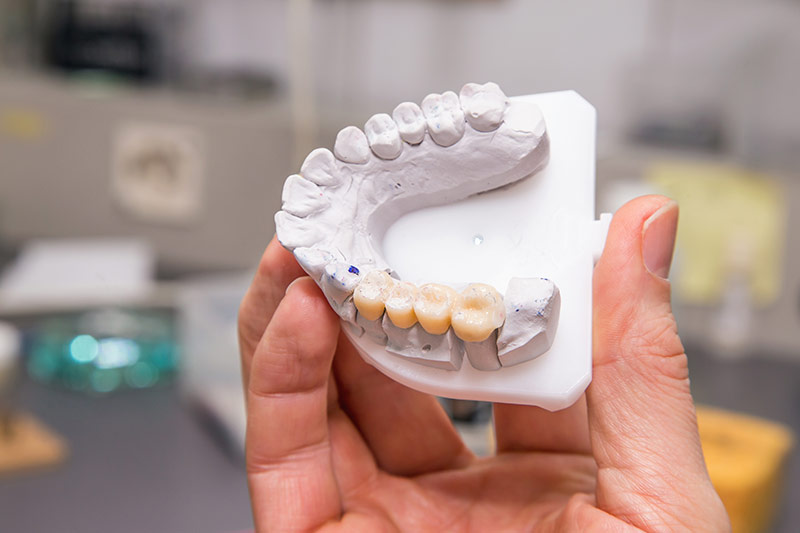
Does having missing teeth hold you back from smiling and being confident? They shouldn’t because we have the right solution for you.
At Dentist on Kingsway, we create comfortable, natural-looking dentures designed to restore both beauty and function. Whether you need partial dentures in Vancouver or a complete set, our custom-fit Vancouver dentures help you speak, chew, and smile easily, all while looking completely natural.
Full Dentures: Ideal for patients who have lost all their natural teeth in the upper or lower jaw.
Partial Dentures: If you still have some healthy, natural teeth, partial dentures in Vancouver can fill in the gaps seamlessly.
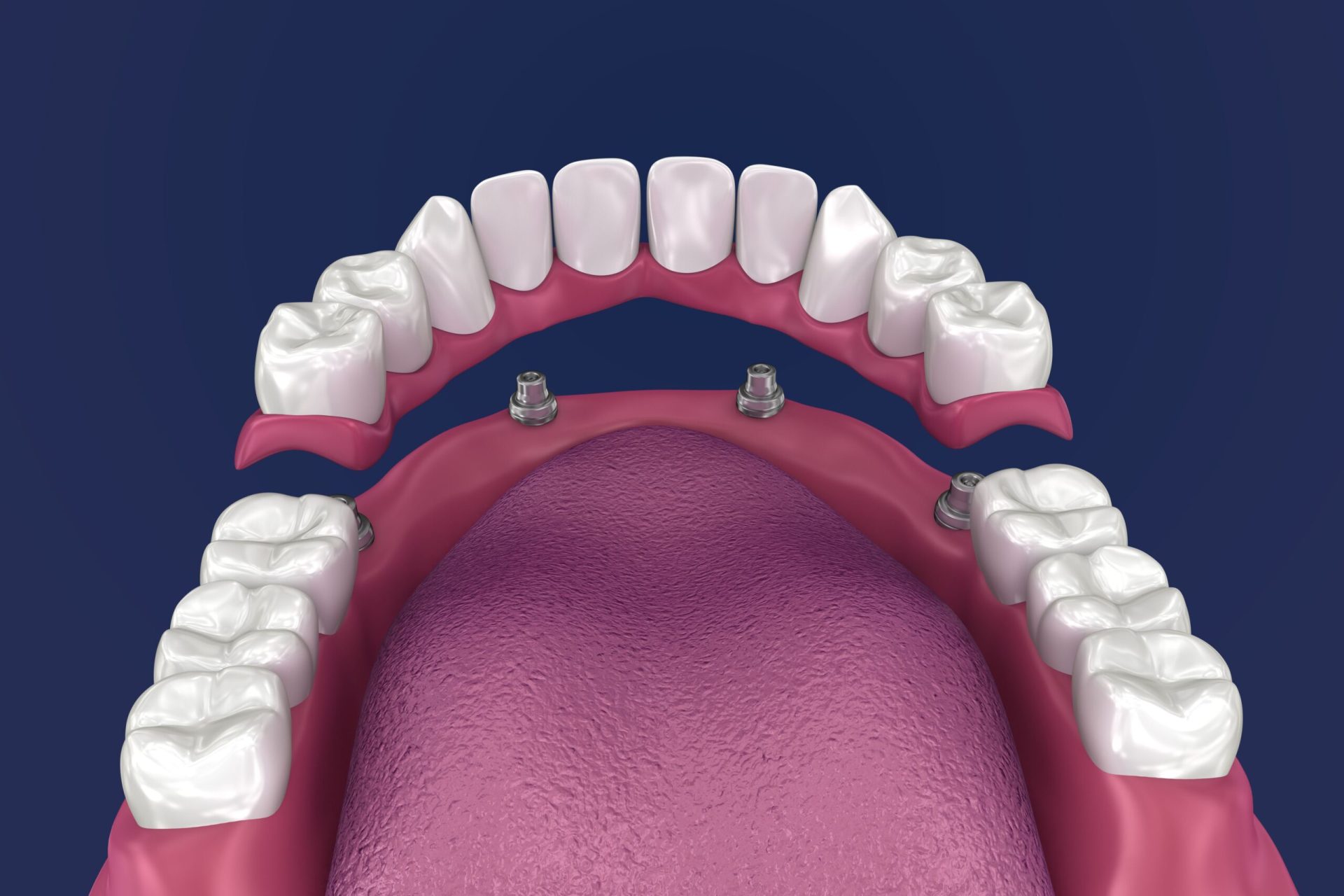
Implant-Supported Dentures: For extra stability and a more natural feel, we offer implant-supported dentures that anchor securely to dental implants.
Immediate Dentures: Immediate dentures in Vancouver allow you to leave our clinic with a complete smile the very same day.
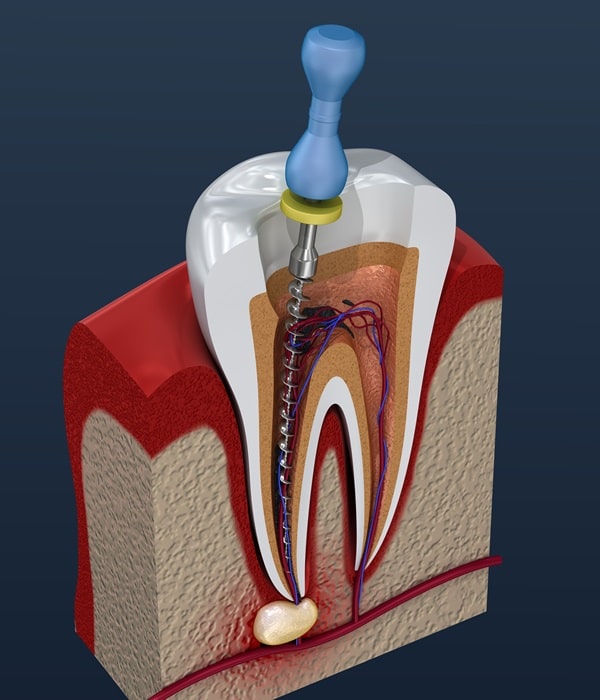
Care Step | How to Do It |
Clean Daily | Brush your dentures gently every day with a soft denture brush and non-abrasive cleaner to remove food and plaque buildup. |
Rinse After Meals | Rinse your dentures after eating to keep them fresh and free from debris. |
Handle with Care | Clean your dentures over a towel or bowl of water to prevent damage if they’re accidentally dropped. |
Soak Overnight | Keep your dentures moist by soaking them in water or a denture-cleaning solution overnight to maintain their shape and fit. |
Maintain Oral Hygiene | Clean your gums, tongue, and any remaining teeth daily to promote good oral health. |
Visit Regularly | Schedule routine visits to the Dentist on Kingsway for professional cleaning, fit adjustments, and ongoing care. |
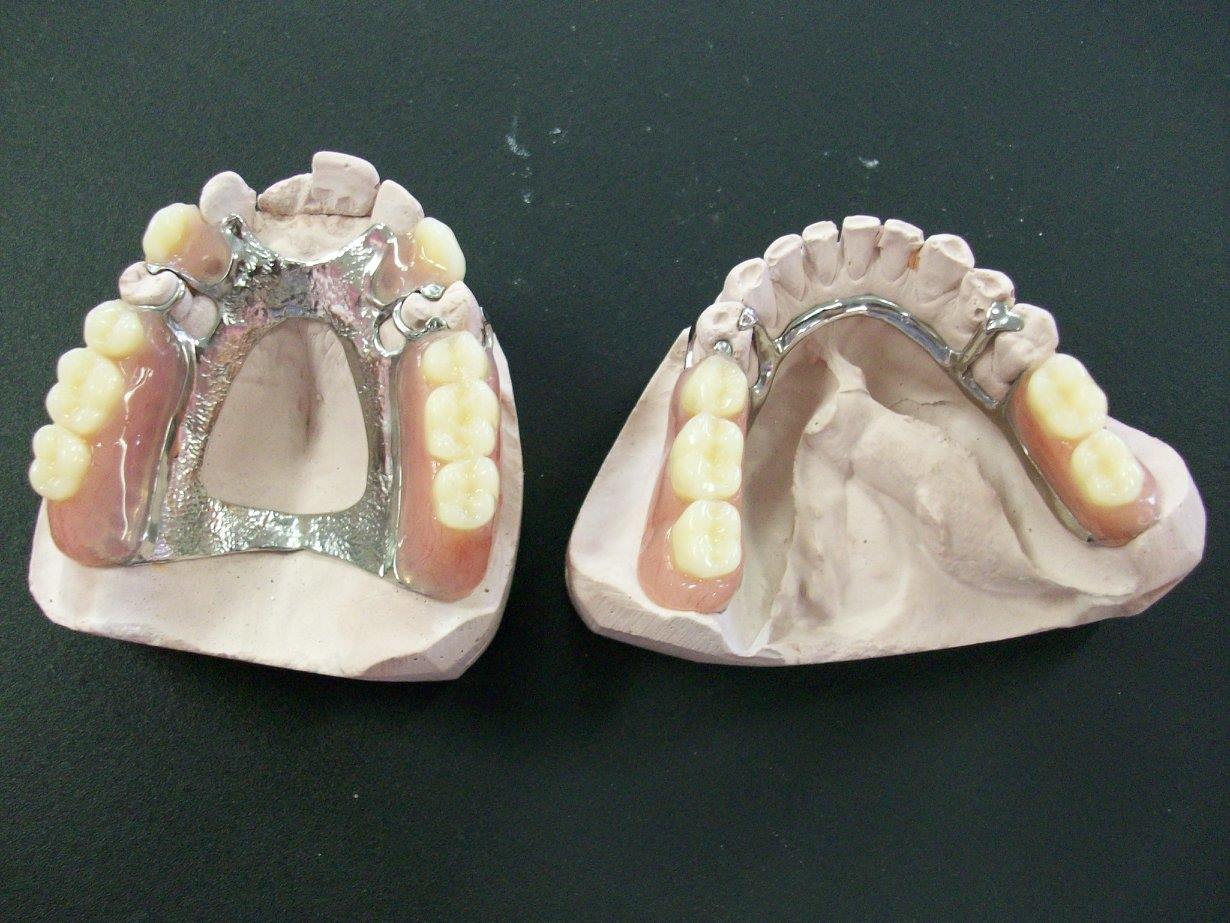
Dentures are a time-tested, affordable way to replace missing teeth and restore your ability to eat and speak comfortably. Today’s dentures are more natural-looking and better-fitting than ever, custom-made to suit your mouth and facial features.
It is normal for new dentures to feel unfamiliar for a few weeks. Eating soft foods, practicing speech, and wearing them as directed all help you adjust. We schedule follow-ups to fine-tune the fit and keep you comfortable.
Everyday care that keeps your family's smiles healthy.
Everyday care that keeps the whole family smiling.
Learn more →Exam & CleaningThorough exams and cleanings to prevent problems.
Learn more →Teeth CleaningProfessional cleanings for a fresh, healthy mouth.
Learn more →Dental HygieneRoutine hygiene care to keep gums and teeth healthy.
Learn more →Dental SealantsProtective coatings that shield teeth from cavities.
Learn more →Fluoride TreatmentStrengthens enamel and helps prevent decay.
Learn more →The first few weeks with new dentures are an adjustment, and knowing that in advance makes it far less discouraging.
Speech is usually the first thing patients notice. Certain sounds feel awkward at first because your tongue is working around something unfamiliar. Reading aloud for a few minutes each day genuinely speeds this up, and most people sound entirely normal within a couple of weeks.
Eating takes longer to master. Start with soft foods cut small, chew on both sides at once to keep the denture stable, and reintroduce firmer foods gradually. Biting straight through something with your front teeth tends to tip a denture — using the side teeth works better.
Increased saliva is common initially and settles as your mouth adapts.
Sore spots are expected and are exactly what adjustment appointments are for. Do not endure them and do not try to file the denture yourself — a small adjustment by us takes minutes. Keep the denture in for a few hours before an adjustment visit so we can see precisely where it is rubbing.
Dentures need cleaning as thoroughly as natural teeth, and with different products.
Clean them daily with a soft denture brush and either a denture cleaner or mild soap. Never use ordinary toothpaste — it is abrasive and creates fine scratches that harbour bacteria and stain.
Clean over a folded towel or a basin of water. Dentures are brittle and a drop onto a hard sink is the most common way they break.
Rinse after meals to clear trapped food, which is the main cause of denture-related sore spots and bad breath.
Soak overnight in water or a denture solution unless we have advised otherwise. They need to stay moist to keep their shape, and leaving them out gives your gums a rest.
Clean your mouth too. Brush your gums, tongue and palate with a soft brush each morning — it stimulates circulation and helps prevent the fungal irritation that can develop under a denture.
Avoid hot water, which warps the acrylic, and bleach unless specifically recommended.
A well-made denture typically lasts five to ten years. The denture itself is not usually what changes — your mouth is.
After teeth are removed the jawbone gradually resorbs, most rapidly in the first year and slowly but continuously thereafter. A denture fitted to today’s ridge will not fit the same ridge in five years, which is why fit loosens over time even with perfect care.
A reline resurfaces the fitting side to match your changed gums, restoring fit without replacing the whole denture. Most people need one every two to three years, and it is far cheaper than a remake.
Replacement is needed when the teeth are visibly worn flat, when the acrylic is cracked or repeatedly breaking, or when relining can no longer produce a stable fit.
Signs it is time to come in: the denture slips when you talk or eat, you are relying on adhesive when you did not before, new sore spots keep appearing, or food is constantly getting underneath. Keep your annual check-up even with no natural teeth — we still screen for oral cancer and check the health of the tissues.
Traditional dentures are not the only route, and it is worth knowing the range before deciding.
Conventional full dentures rest on the gums and are held by suction and muscle control. They are the most affordable option and require no surgery.
Partial dentures replace some teeth while clasping onto the remaining natural ones. Keeping your own teeth where possible helps preserve bone.
Implant-retained dentures are a middle path that many patients do not realise exists. Two or more implants act as anchors, and the denture clips securely onto them. It removes almost all of the movement that frustrates lower-denture wearers in particular, while costing considerably less than replacing every tooth with an implant. Lower dentures are the least stable by nature, so this is where the difference is felt most.
Fixed implant bridges are permanently attached and come out only at the dental office.
Bone volume, general health and budget all shape which of these is realistic. We will go through the honest trade-offs of each rather than steering you toward the most expensive.
Denture fees vary more than most dental treatment, because a denture is made rather than applied. A complete upper or lower denture, a partial denture that clasps onto your remaining teeth, and an implant-supported denture are three quite different pieces of work, and they are priced accordingly.
What moves the figure is the number of appointments needed to get the fit and the bite right, the quality of the teeth and acrylic used, whether any extractions or healing time come first, and whether the denture is retained by implants. A cheaper denture that does not fit is not a saving — it gets relined, remade, or left in a drawer.
We work from the BC Dental Association Suggested Fee Guide and give you an itemised written quote covering the whole sequence, including any relines expected in the first year, before we take a single impression.
Removable prosthodontic treatment is covered under the Canadian Dental Care Plan for eligible patients. Complete dentures, repairs and relines are included; partial dentures are covered but need preauthorization from the plan before we begin, which we submit on your behalf. We also bill most private insurers directly.
Yes, you can use conventional toothpastes to slowly and gently clean them.
Start at one side and gently slide them out using both of your hands. Be patient to not cause damage to your dentures or gums.
Modern dentures are custom-fitted to improve comfort, stability, and function. Your dentist can make adjustments if you experience pressure points or an uncomfortable fit.
The timeline depends on the type of dentures and the fabrication process. Your treatment typically includes a consultation, impressions, fabrication, fitting, and necessary adjustments.
With proper care, dentures can last for several years, although they may eventually need adjustment, relining, or replacement as your mouth and gums change over time.
It is generally recommended to remove dentures while sleeping. This gives your gums and oral tissues time to rest and allows you to clean and soak the dentures properly overnight.
Clean your dentures daily with a soft denture brush and non-abrasive cleaner, rinse them after meals, and soak them overnight as recommended. You should also clean your gums, tongue, and remaining natural teeth.
Implant-supported dentures are secured to dental implants placed in the jaw, providing greater stability than traditional removable dentures and helping create a more secure fit.