
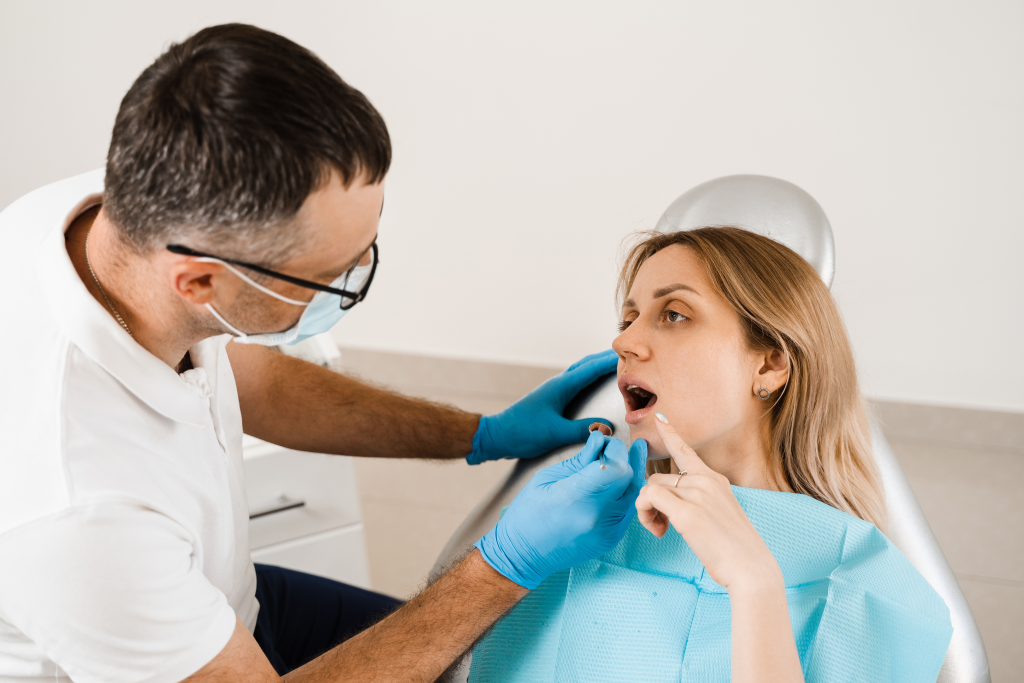
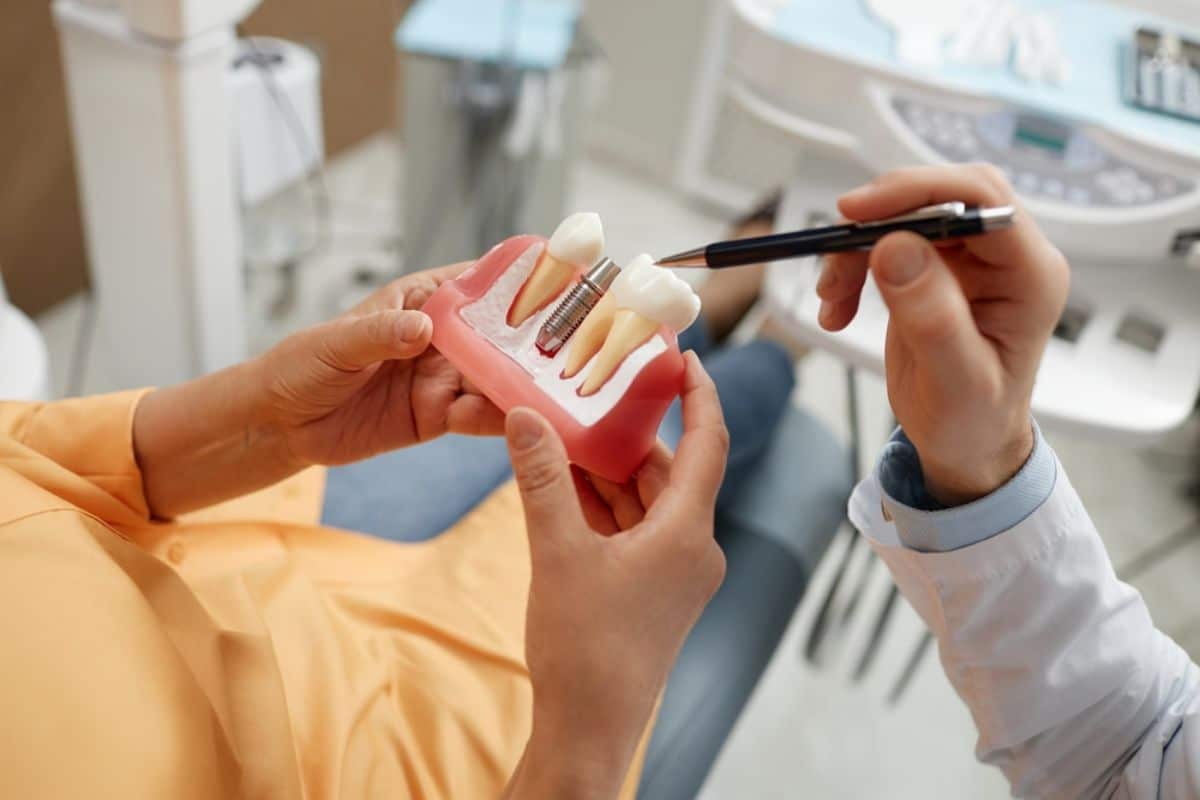
Targeted treatments remove decay and prevent it from spreading deeper into the tooth structure.
By repairing the damaged areas, we reduce tooth sensitivity and eliminate discomfort caused by cavities.
We focus on minimally invasive techniques to keep as much of your healthy tooth intact as possible.
Restorative options like fillings and crowns allow you to chew, bite, and smile comfortably again.
Tooth-colored materials blend seamlessly with your natural teeth for a flawless, natural look.
With proper care, our treatments provide durable results that keep your teeth healthy for years.
Everyday care that keeps your family's smiles healthy.
Everyday care that keeps the whole family smiling.
Learn more →Exam & CleaningThorough exams and cleanings to prevent problems.
Learn more →Teeth CleaningProfessional cleanings for a fresh, healthy mouth.
Learn more →Dental HygieneRoutine hygiene care to keep gums and teeth healthy.
Learn more →Dental SealantsProtective coatings that shield teeth from cavities.
Learn more →Fluoride TreatmentStrengthens enamel and helps prevent decay.
Learn more →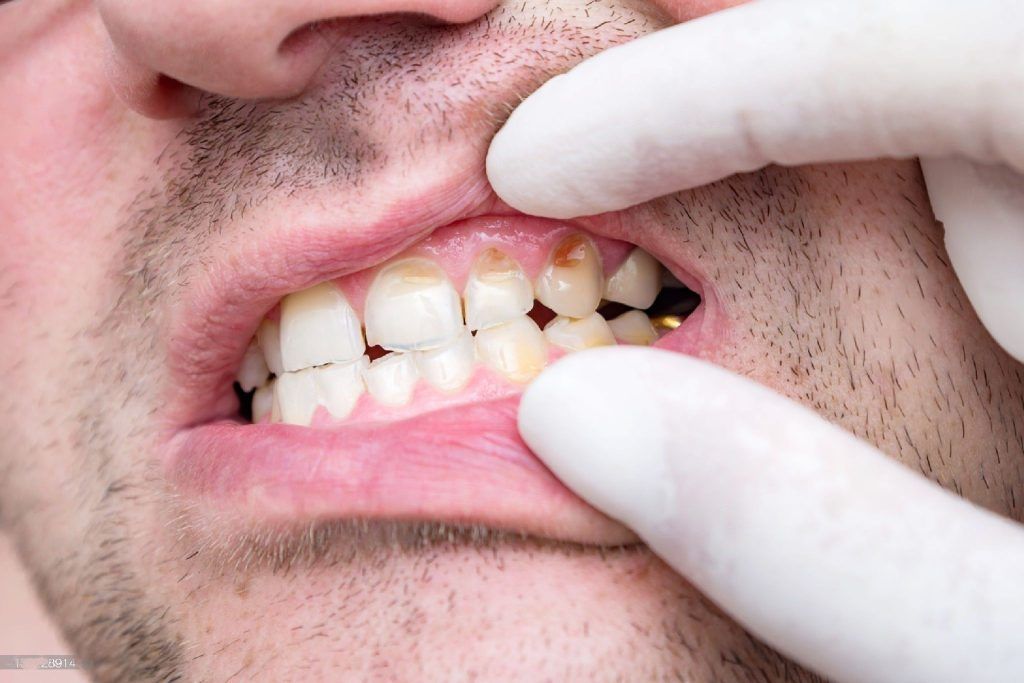
Tooth decay is a process rather than an event, and it moves through recognisable stages. Where it is caught determines how much treatment it needs.
Demineralisation. Acid produced by bacteria strips minerals from the enamel surface, showing as a chalky white spot. At this stage there is no hole and no pain, and the damage is genuinely reversible with fluoride and better cleaning. This is the stage worth catching.
Enamel decay. The surface breaks down and a cavity forms. Enamel has no nerves, so there is still usually no pain — but it can no longer heal itself and needs a filling.
Dentine decay. Past the enamel, decay spreads faster through the softer dentine beneath. Sensitivity to sweet, hot and cold typically begins here.
Pulp involvement. Bacteria reach the nerve. This is where severe, spontaneous, often night-time pain arrives, and where root canal treatment becomes necessary.
Abscess. Infection spreads beyond the root tip, causing swelling and a risk of spreading further. This is urgent.
The pattern to notice: pain arrives late. By the time a tooth hurts, the cheap options have usually passed.
Yes — and this is one of the more useful things a patient can know, because it is not widely understood.
Enamel is not living tissue and cannot regrow. But it can remineralise. Where decay has only demineralised the surface without breaking through it — the white spot stage — minerals can be drawn back in and the enamel hardened again.
What achieves it: fluoride, from toothpaste twice daily and professional varnish at appointments; reducing how often you eat sugar rather than how much, since it is frequency of acid attack that matters; saliva, which is your natural repair system, so treating dry mouth is important; and sometimes a prescription high-fluoride toothpaste for higher-risk patients.
This is precisely why we recommend regular check-ups and why we sometimes say “let us watch that one” rather than filling immediately. A white spot found early may need nothing but fluoride and six months. The same tooth left two years may need a filling, and later still a crown. Once the surface has cavitated, however, remineralisation cannot close it — that is the point of no return.
What we recommend depends entirely on how far the decay has progressed.
Early, non-cavitated decay: fluoride varnish, improved home care and monitoring. No drilling.
Small to moderate cavities: a filling. The decay is removed and the space restored, usually with tooth-coloured composite bonded to the remaining structure. Composite is less invasive than older materials because it bonds rather than needing a mechanical shape cut for retention.
Large cavities: where a substantial part of the tooth is gone, a filling alone leaves the remaining walls vulnerable to fracture. An inlay, onlay or crown restores strength by covering and binding the tooth.
Decay reaching the nerve: root canal treatment to remove the infected pulp, followed by a crown to protect the weakened tooth.
Unrestorable teeth: extraction, with a plan to replace the tooth so neighbouring teeth do not drift.
The consistent theme is that earlier treatment is smaller, cheaper and preserves more of your own tooth — which no restoration ever fully replaces.
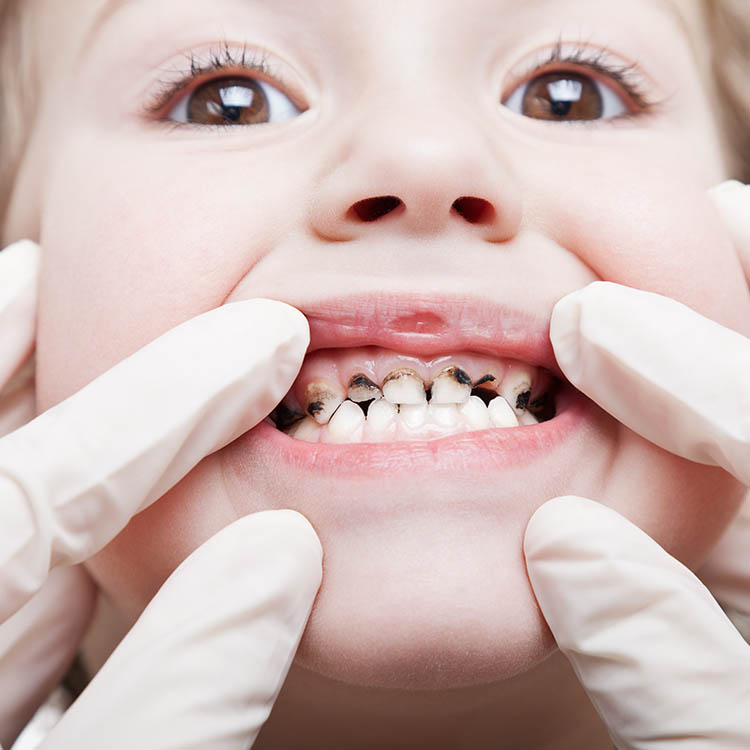
Almost all tooth decay is preventable, and a handful of habits do most of the work.
Frequency beats quantity. This is the point most people miss. Each time you eat or drink something sugary, acid attacks your teeth for roughly twenty to thirty minutes. A dessert eaten in one sitting is far less damaging than the same sugar grazed across an afternoon. Sipping sweet drinks or coffee with sugar throughout the day is the single most damaging pattern we see in adults.
Brush twice daily with fluoride toothpaste and spit rather than rinse — rinsing washes away the fluoride you have just applied.
Clean between your teeth daily. Decay between teeth is common, invisible to you, and unreachable by a brush.
Watch for dry mouth. Many common medications reduce saliva, which sharply increases decay risk. Tell us if your mouth feels dry — there are effective measures.
Keep regular check-ups, because the stage where decay costs you nothing to fix is the stage you cannot feel.
A filling is the most common treatment for tooth decay, and for most people it is a single appointment. We freeze the area, clean the decay out of the tooth, and rebuild the missing structure so the tooth works normally again. Most of our fillings are tooth-coloured composite, which bonds to the tooth and is shaded to match the ones beside it, so a filling on a front tooth does not announce itself.
Composite is not the only option. Where a back tooth takes heavy chewing load, or where the cavity is large, a stronger material or an onlay may hold up better over time, and we will say so rather than placing something that is likely to need redoing. If the decay has reached the nerve, a filling is no longer the right answer and we will talk to you about root canal therapy instead.
Fillings placed under freezing are not painful. The tooth can be sensitive to cold for a few days afterwards while it settles, and a filling that feels high when you bite is a five-minute adjustment, not something to live with — call us.
What a filling costs depends on which tooth it is, how many surfaces are involved and which material is used. We work from the BC Dental Association Suggested Fee Guide, bill your insurer directly where we can, and give you the figure before we start. Basic restorative work, including permanent fillings, is covered under the Canadian Dental Care Plan for eligible patients.
Deep cleaning of teeth is also called scaling and root planing.
Dental cleanings are very safe and effective. However, you may experience some tooth sensitivity and soreness.
Modern tooth decay treatments are generally comfortable. Local anesthesia is used when necessary to ensure a pain-free experience, and our team uses gentle techniques to keep you comfortable throughout your visit.
Untreated tooth decay can worsen over time, causing severe pain, infection, abscesses, and damage to the tooth’s pulp. In advanced cases, root canal therapy or tooth extraction may be necessary.
Brush twice daily with fluoride toothpaste, floss every day, limit sugary foods and drinks, maintain a healthy diet, and visit your dentist every six months for exams and professional cleanings. Preventive care is the best way to avoid cavities.
Deep cleaning of teeth is also called scaling and root planing.
If decay is detected at an early stage before a cavity has formed, fluoride and preventive measures may be enough. Once a cavity has developed, a filling is commonly needed to restore the damaged tooth.
Yes. Tooth-coloured composite fillings can repair cavities while blending with the natural colour of your teeth. They restore the tooth’s strength, appearance, and function.
The lifespan of a filling depends on factors such as the size and location of the cavity, the material used, oral hygiene, and your bite. With proper care and regular dental visits, fillings can last for many years.
Brush twice a day with fluoride toothpaste, floss daily, limit sugary foods and drinks, maintain good oral hygiene, and visit your dentist regularly for examinations and professional cleanings.