

Healthy gums are the foundation of a healthy smile. If you’ve noticed bleeding, swollen, or tender gums, it may be an early sign of gum disease. At Dentist on Kingsway, we provide personalized gum disease treatment to eliminate infection, reduce inflammation, and help preserve your natural teeth. Early treatment can prevent serious complications and keep your smile healthy for years to come.
Gum disease, also known as periodontal disease, is a bacterial infection that affects the gums and the tissues supporting your teeth. It often begins as gingivitis, causing redness and bleeding, and can progress to periodontitis if left untreated, potentially leading to gum recession, bone loss, and tooth loss. Regular dental visits help detect and treat the condition before it becomes severe.


Preventing gum disease doesn’t end after treatment. We help you maintain healthy gums through:


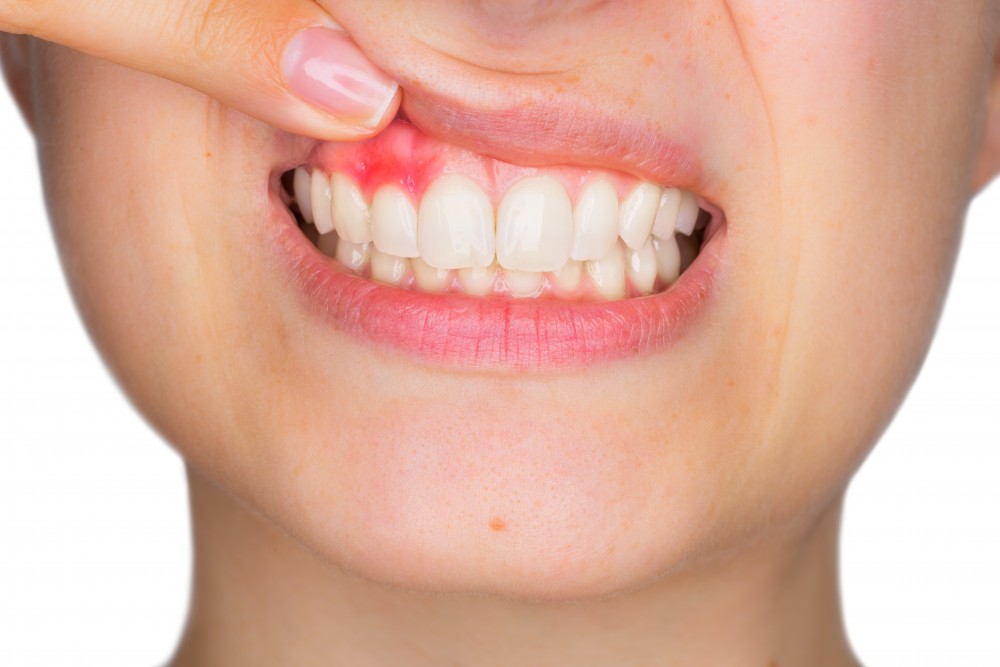
Gum disease progresses through recognisable stages, and where you are on that path determines whether it can be reversed completely or only halted.
Gingivitis is the first stage and the only fully reversible one. The gums are inflamed — red, puffy, bleeding when brushed — but the bone holding the teeth is untouched. Professional cleaning plus consistent home care resolves it, often within weeks.
Early periodontitis is where inflammation reaches the bone and small pockets form between gum and tooth. Some bone has been lost and does not grow back, but progression can be stopped.
Moderate periodontitis brings deeper pockets, more bone loss, gum recession and sometimes slight tooth mobility.
Advanced periodontitis involves substantial bone loss, teeth that are visibly loose or shifting, abscesses and, eventually, tooth loss.
The cruel feature of the whole sequence is that it is largely painless until late. Bleeding when you brush is the earliest reliable signal, and it is precisely the one most people dismiss as normal.
The direct cause is bacterial plaque along and beneath the gumline. What varies enormously between people is how strongly their body reacts to it — which is why two people with similar brushing habits can have very different gum health.
Smoking is the single biggest modifiable risk factor. It restricts blood flow to the gums, which both accelerates the disease and masks it — smokers often bleed less, so the warning sign is hidden.
Diabetes works in both directions: poorly controlled blood sugar worsens gum disease, and gum inflammation makes blood sugar harder to control.
Genetics play a real role. Some people are simply more susceptible, which is why family history is worth mentioning.
Also relevant: hormonal changes in pregnancy and menopause, medications causing dry mouth or gum overgrowth, stress, grinding, crowded teeth that are hard to clean, and old restorations with rough margins that trap plaque.
Treatment follows the stage, and it starts with the least invasive option that will work.
For gingivitis: a thorough professional cleaning to remove plaque and tartar, plus specific coaching on the areas you are missing. This usually resolves it entirely.
For early to moderate periodontitis: scaling and root planing — cleaning the root surfaces inside the pockets under local anaesthetic, then smoothing them so the gum can reattach. Usually done over two visits, treating one side at a time. Antimicrobial rinses or locally applied antibiotics sometimes support this.
For advanced cases: referral for periodontal surgery to access deeper deposits, and in some situations regenerative procedures to rebuild lost bone or graft receded gum tissue.
For everyone afterwards: periodontal maintenance every three to four months. This is the part that determines whether treatment holds. Gum disease is a chronic condition, managed rather than cured, and patients who keep to the maintenance interval keep their teeth.
Gum disease is not confined to your mouth. Chronic inflammation and oral bacteria entering the bloodstream have been linked in a substantial body of research to several wider health conditions.
The associations most consistently reported involve cardiovascular disease, diabetes, respiratory infections, and adverse pregnancy outcomes such as premature birth and low birth weight. Links to rheumatoid arthritis and to cognitive decline are also under active study.
An important caveat: most of this evidence shows association rather than proven cause, and shared risk factors such as smoking complicate the picture. It would be overstating things to say treating your gums will prevent heart disease.
What is clear enough to act on is the diabetes relationship, where the two-way link is well established, and the general principle that chronic inflammation anywhere in the body is worth reducing. If you are pregnant, diabetic, or managing a heart condition, tell us — it changes how closely we want to monitor your gums.
Red, swollen, or bleeding gums, persistent bad breath, receding gums, or loose teeth can all be signs of gum disease and should be evaluated.