


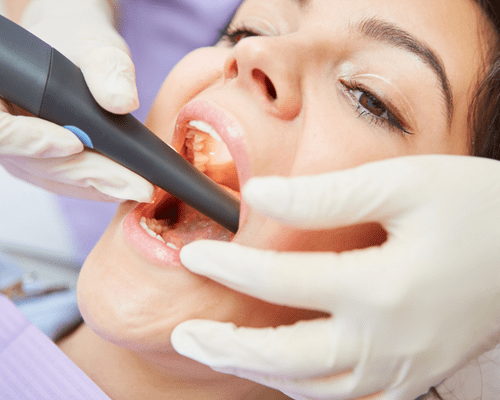
Canadian dental guidance suggests a first visit by a child’s first birthday, or within six months of the first tooth appearing. That usually surprises parents, and the reason is not that a one-year-old needs treatment — it is that early visits catch problems while they are small and, just as importantly, teach a child that the dentist is an ordinary, unremarkable place.
A first appointment here is deliberately gentle. We count teeth, check how the jaw and bite are developing, look for early signs of decay, and talk you through brushing, feeding and dummy or thumb habits. Very young children often sit on a parent’s lap rather than in the chair, and if all that happens on the first visit is that your child sits, looks at the instruments and leaves happy, that is a completely successful appointment.
What helps most beforehand: book a morning slot when your child is rested, keep your own language neutral and avoid words like “hurt” or “needle” even in reassurance, and read a picture book about visiting the dentist in the days before. What does not help is promising a treat for being brave — it signals that something frightening is coming.
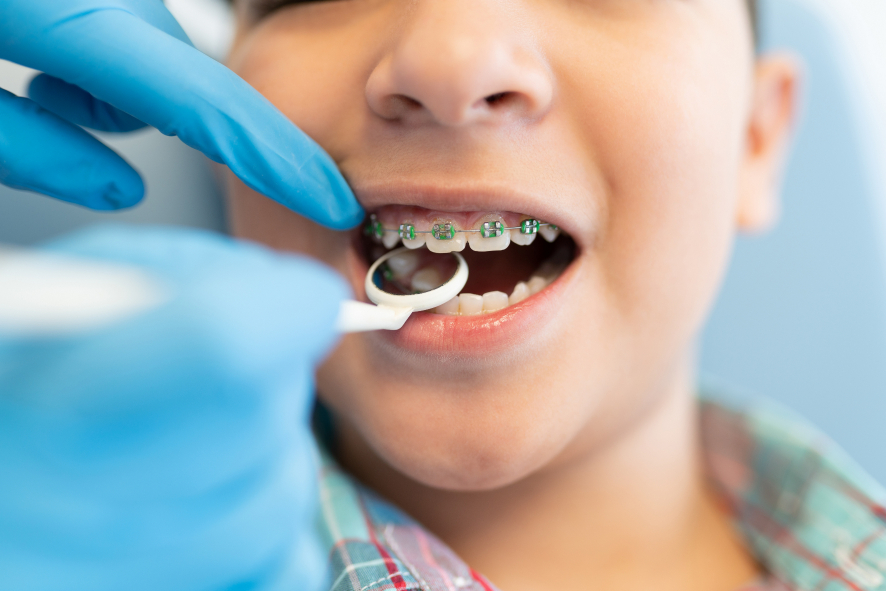
Tooth decay is the most common chronic childhood disease in Canada, and it is very largely preventable. Four things do most of the work.
Brushing. Twice a day with a fluoride toothpaste — a smear the size of a grain of rice under age three, a pea-sized amount after. Children need an adult brushing for them or checking afterwards until roughly age eight, because the manual dexterity simply is not there before then.
Frequency, not quantity, of sugar. The damage comes from how often teeth are exposed, not how much is eaten at once. A sweet with dessert is far less harmful than the same sweet grazed over an afternoon. Sipping juice or milk from a bottle or cup throughout the day is the single most damaging pattern we see.
Sealants. A thin protective coating over the grooves of the back molars, applied in minutes without drilling, which blocks the crevices where the majority of childhood decay starts.
Fluoride. Professionally applied fluoride varnish at check-ups strengthens enamel and is quick, painless and evidence-backed.
Dental anxiety in children is common and almost always manageable. It usually comes from one of three places: a previous uncomfortable experience, absorbing a parent’s own nervousness, or simply the strangeness of an unfamiliar room and unfamiliar sounds.
Our approach is tell-show-do — we explain what is going to happen in plain words, let your child see and touch the instrument, and only then use it. Nothing happens without warning. We go at the child’s pace, and we stop when they ask us to stop, which is what builds the trust that makes the next visit easier.
Parents help enormously by staying calm and by not over-reassuring. A relaxed “we’re just going to have your teeth counted” lands far better than repeated promises that it will not hurt. If you are anxious about dentists yourself, it is worth mentioning — children read it instantly, and we can work around it.
For children with sensory or developmental needs, tell us in advance. We can arrange a quieter time of day, a short familiarisation visit with no treatment at all, and adjust lighting and noise.

Children knock teeth. It is worth knowing the difference between what needs a same-day call and what can wait.
A knocked-out permanent tooth is a genuine emergency — handle it by the crown, never the root, keep it in milk, and call us immediately. A knocked-out baby tooth should never be put back in, because doing so can damage the developing permanent tooth underneath. Call us anyway so we can check.
A chipped or broken tooth needs prompt attention if there is sharp pain or visible pink or red at the fracture. Save any fragments.
Toothache with facial swelling, or a fever alongside dental pain, needs to be seen the same day — that is infection, and children can deteriorate faster than adults.
A bitten lip or tongue usually bleeds dramatically and looks far worse than it is: apply firm pressure with clean gauze for ten minutes and a cold compress. Call 604-558-2442 and we will tell you honestly whether you need to come in.
0 to 2 years. First teeth arrive around six months. Wipe gums before teeth appear, then brush with a rice-grain smear of fluoride toothpaste. First dental visit by the first birthday. Avoid putting a child to bed with a bottle.
3 to 5 years. The full set of twenty baby teeth is usually in place. Brushing is still an adult job. This is when thumb-sucking and dummy habits are worth addressing, since prolonged habits affect how the bite develops.
6 to 9 years. Permanent molars and front teeth arrive, often behind the baby teeth, which is normal. Sealants on the new molars are highly worthwhile. This is also the age for a first orthodontic assessment — around seven — which is about spotting problems early, not starting treatment.
10 to 14 years. The remaining permanent teeth come through and orthodontic treatment often begins. Sports mouthguards become important, and independence with brushing needs checking rather than assuming.
You should make your child start brushing their teeth as soon as their first tooth appears.
It is recommended for children to visit dentists every 6 months.
Speak positively about the dentist, read books about dental visits, and avoid using frightening words. Our friendly team creates a welcoming, child-focused environment to help your child feel comfortable and confident.
It’s normal for children to feel anxious about dental appointments. We use gentle techniques, explain each step in simple language, and create a calm, supportive environment to help children feel safe throughout their visit.
Baby teeth help children chew properly, speak clearly, and guide permanent teeth into their correct positions. Keeping them healthy reduces the risk of pain, infection, and future orthodontic problems.
You should make your child start brushing their teeth as soon as their first tooth appears.