
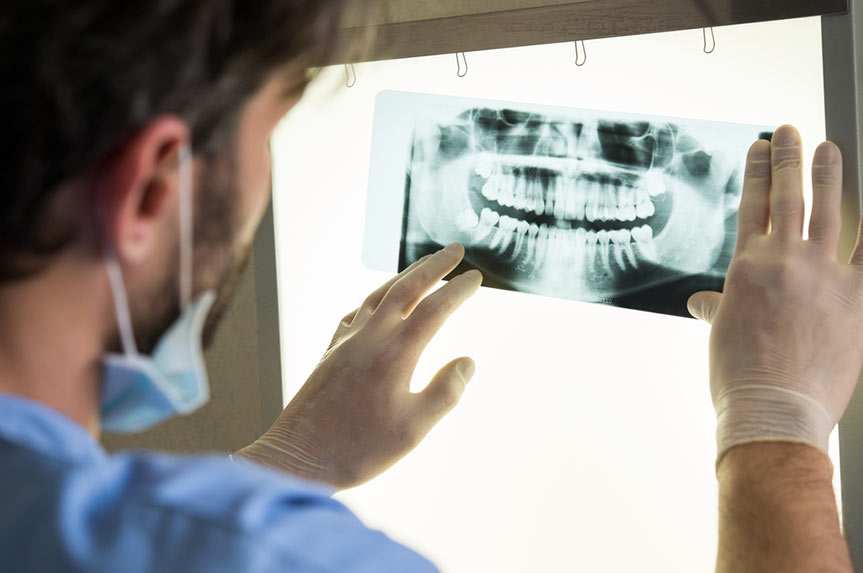
Oral cancer often develops without noticeable symptoms in its early stages. Our screenings are designed to identify subtle signs of abnormal tissue, giving you the best chance for early diagnosis and successful treatment.
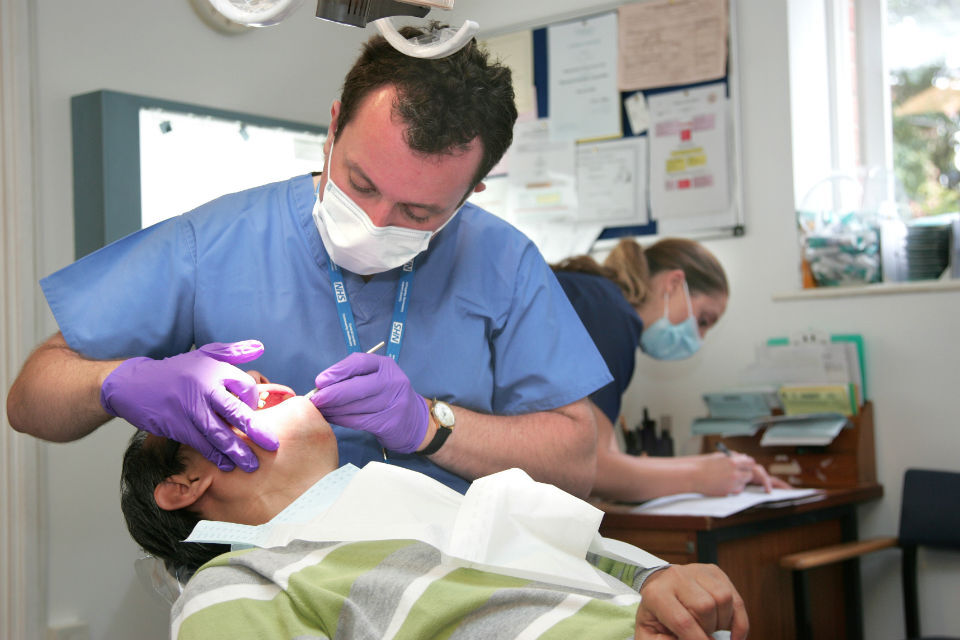
Many cases of oral cancer begin with subtle changes that are difficult to notice on your own. During your routine dental visit, our team carefully examines your mouth, tongue, gums, cheeks, throat, and surrounding tissues for any unusual lesions, discoloration, or lumps. This quick, painless examination takes only a few minutes but plays an important role in protecting your long-term health.

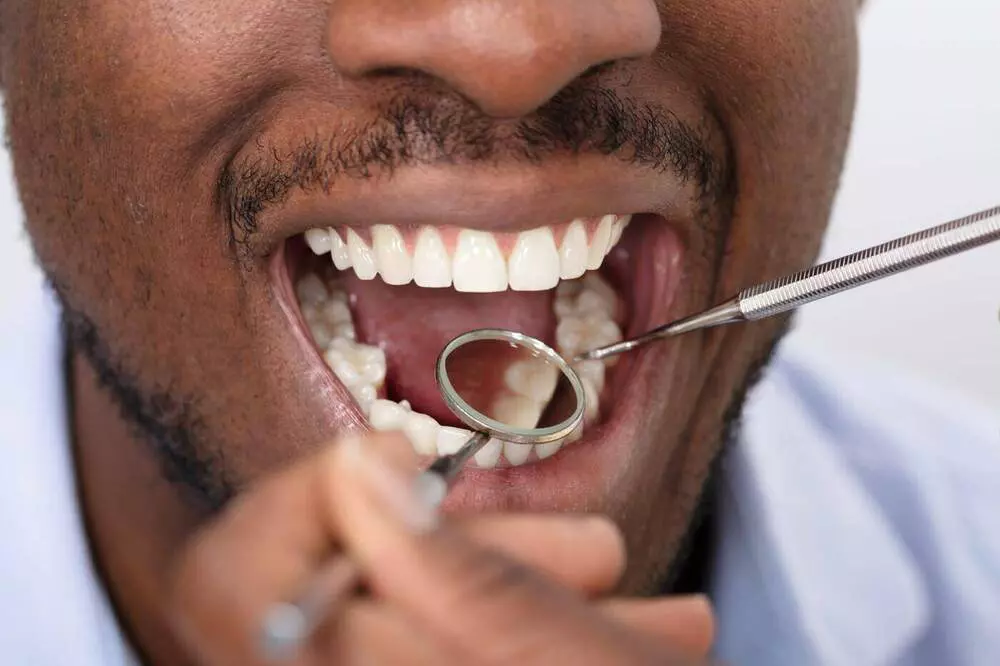
If we notice anything unusual, we’ll explain our findings and recommend the appropriate next steps, which may include monitoring the area or referring you to a specialist for further evaluation.
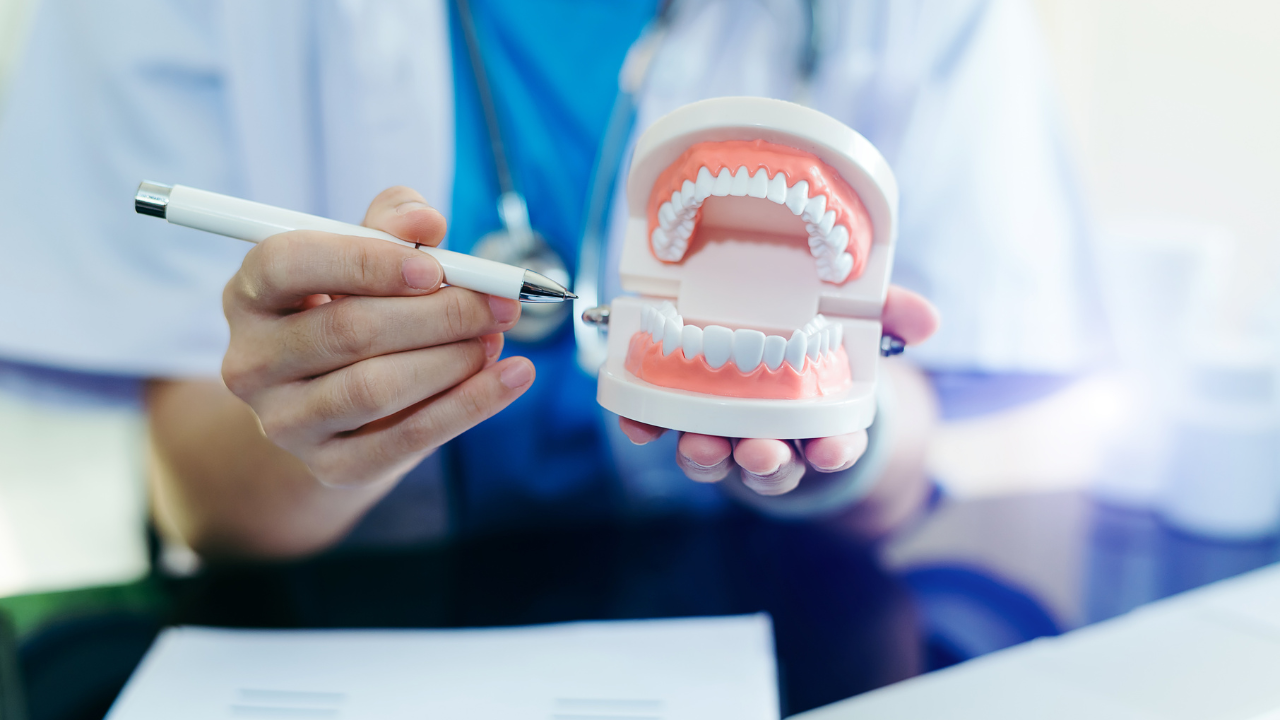
Patients trust our Vancouver dental team because we provide:

Protecting your smile means protecting your overall health. Whether it’s your first screening or part of your routine dental exam, our team at Dentist on Kingsway is committed to providing thorough, compassionate care. Book your appointment today and take an important step toward early detection and lifelong oral health.



Everyday care that keeps your family's smiles healthy.
Everyday care that keeps the whole family smiling.
Learn more →Exam & CleaningThorough exams and cleanings to prevent problems.
Learn more →Teeth CleaningProfessional cleanings for a fresh, healthy mouth.
Learn more →Dental HygieneRoutine hygiene care to keep gums and teeth healthy.
Learn more →Dental SealantsProtective coatings that shield teeth from cavities.
Learn more →Fluoride TreatmentStrengthens enamel and helps prevent decay.
Learn more →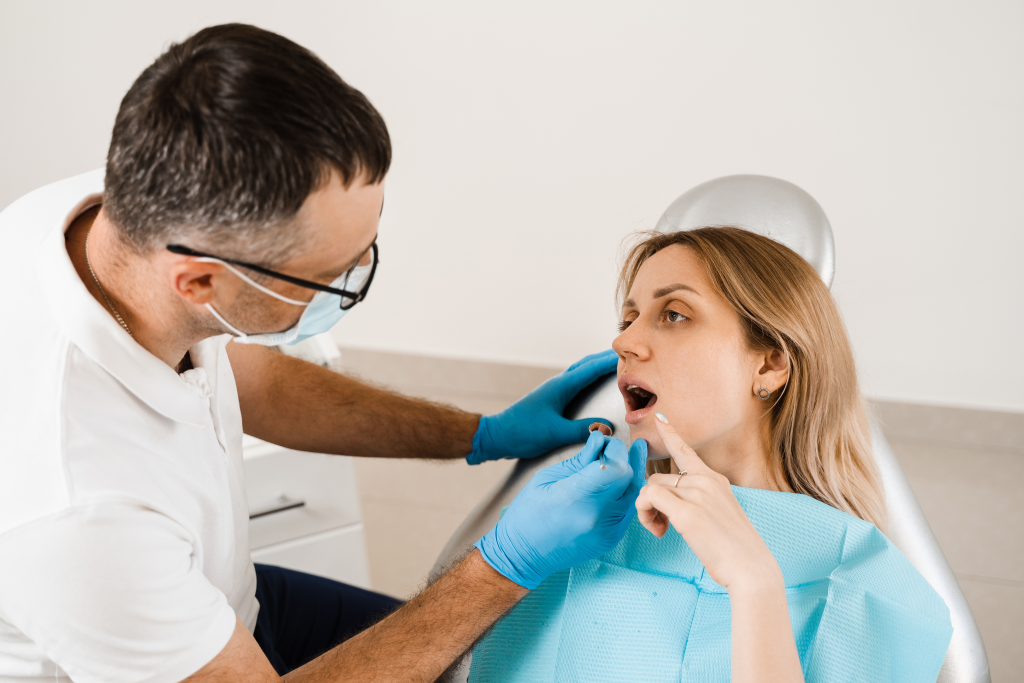
Oral cancer is more common than many people assume, and while some risk factors are well known, the picture has shifted considerably in recent years.
Tobacco in any form remains the largest single risk factor — cigarettes, cigars, pipes and smokeless tobacco alike.
Alcohol is an independent risk factor, and combined with tobacco the risk multiplies rather than simply adding.
HPV is the change. Human papillomavirus, particularly HPV-16, is now associated with a substantial and growing share of cancers at the back of the mouth and throat. Critically, these often occur in younger patients with no tobacco or alcohol history at all — which is why “I don’t smoke” is no longer a reason to skip screening.
Sun exposure raises the risk of lip cancer, and it is easy to forget lips when applying sunscreen.
Risk also rises with age, is higher in men than women, and increases with a previous oral cancer or a family history. That said, a meaningful proportion of cases occur in people with no identifiable risk factor whatsoever.
We screen at every check-up, but you look in your own mouth far more often than we do. Knowing what warrants a call matters.
The single most important rule: anything that does not heal within two weeks should be checked. Most such things turn out to be harmless, and that is exactly why getting them looked at costs you nothing but reassurance.
Specifically worth attention: a sore or ulcer that persists beyond two weeks; a white or red patch on the tongue, gums or lining of the mouth; a lump or thickening you can feel; persistent unexplained bleeding; numbness anywhere in the mouth, face or neck; difficulty or pain when swallowing or moving the tongue; a persistent sore throat or the sense of something caught in your throat; a change in how your teeth or dentures fit together; and hoarseness that lasts more than a fortnight.
Early oral cancer is typically painless, which is precisely what makes it dangerous — people wait for discomfort that does not arrive until later. Do not wait for pain.
A monthly self-check takes two minutes in front of a bathroom mirror with good light, and it complements rather than replaces professional screening.
Face and neck. Look for anything asymmetrical, then feel along both sides of your neck and under your jaw for lumps or tenderness.
Lips. Pull the upper and lower lip out and look at the inner surface and gums.
Cheeks. Pull each cheek outward and examine the inner lining for red or white patches.
Tongue. Stick it out and look at the top, then at each side by moving it left and right. Lift the tip to the roof of your mouth and examine the underside — the floor of the mouth and the underside of the tongue are where many oral cancers begin, and they are the areas people never look at.
Roof and back. Tilt your head back for the palate, then say “ahh” and look at the back of the throat.
You are looking for anything new, asymmetrical, or persistent. If something is there in two weeks, call us.
Most findings at screening are entirely benign — a cheek bite, an ulcer from a sharp edge, a harmless variation in tissue. Knowing the pathway removes a lot of the fear.
First, we watch. For most suspicious areas the initial step is a two-week review, often after removing an obvious cause such as a rough restoration. A great many findings resolve in that window and need nothing further.
If it persists, we refer you to an oral surgeon or specialist for assessment and, where appropriate, a biopsy — a small tissue sample examined under a microscope. It is a short procedure under local anaesthetic and it is the only way to know for certain.
If it is something, early detection is genuinely decisive. Oral cancers found while still localised have substantially better outcomes and typically require far less extensive treatment than those found later.
We will explain what we have seen in plain language, why we are recommending what we are recommending, and how quickly it needs to happen. You will not be left guessing.
We examine your mouth, tongue, throat, and neck for any unusual spots, lumps, or changes. It is quick, painless, and often included in your routine checkup.
All adults benefit from regular screenings, especially those who use tobacco or alcohol or have a family history, since early detection greatly improves outcomes.
We typically screen at your routine dental visits, so keeping up with regular checkups ensures ongoing monitoring.
No. An oral cancer screening is generally quick, non-invasive, and painless. It can usually be completed as part of a routine dental examination.
Oral cancer screening can be included during regular dental checkups. Your dentist can recommend an appropriate screening schedule based on your age, oral health, and individual risk factors.
Risk may be higher for people who use tobacco or vape, consume alcohol frequently, have a family history of oral cancer, have prolonged sun exposure affecting the lips, have HPV, or are over 40. However, people without these risk factors can also benefit from regular screening.
Warning signs can include a mouth sore that does not heal within two weeks, red or white patches, persistent pain, difficulty chewing or swallowing, a lump in the mouth or neck, ongoing hoarseness, or numbness in the lips, tongue, or mouth.
Screening can help identify suspicious or abnormal changes that may need further investigation. If your dentist notices something unusual, they may recommend monitoring the area or referring you to a specialist for additional evaluation.
Usually not. Oral cancer screening can be performed during a regular dental checkup, so an additional appointment may not be necessary.
Your dentist will explain the finding and recommend the appropriate next step. This may involve monitoring the area or referring you to a specialist for further assessment.