We are now accepting the Canadian Dental Care Plan Learn More

Tooth Extraction Vancouver, BC

Tooth Extraction Vancouver BC

Gentle and Safe Tooth Extractions in Vancouver, BC

Are you dealing with severe tooth pain or ongoing discomfort? Sometimes a tooth needs to be removed, but it doesn’t have to be a stressful experience. At Dentist on Kingsway, we provide gentle tooth extractions in Vancouver using modern techniques and advanced anesthesia to ensure maximum comfort. Whether it’s a simple extraction or wisdom tooth removal, we focus on relieving pain and protecting your oral health with care and confidence.

What Is a Tooth Extraction?

A tooth extraction involves removing a tooth from its jawbone socket. While preserving natural teeth is always the priority, extraction may be necessary to prevent infection, relieve crowding, or stop further damage. Our dentists carefully assess your condition to choose the safest option and ensure a smooth, comfortable recovery.

Tooth Extraction Vancouver BC

Wisdom Tooth Removal

If your wisdom teeth are causing pain, infection, or misalignment, our team offers gentle removal using modern techniques for a safe and speedy recovery.

Root Canal Therapy

Save your natural tooth with expert root canal treatment. We eliminate infection and restore function while keeping you comfortable throughout the procedure.

Dental Crowns

Protect and strengthen damaged or decayed teeth with durable, natural-looking dental crowns customized to match your smile.

Tooth Extraction Vancouver BC

When Is Tooth Extraction Necessary?

Tooth Extraction Vancouver BC

Aftercare and Healing

The Tooth Extraction Process

Benefits of Professional Tooth Extraction

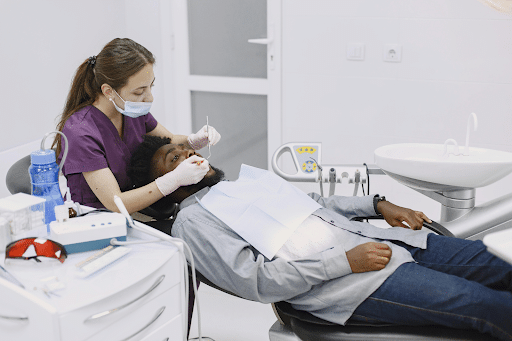
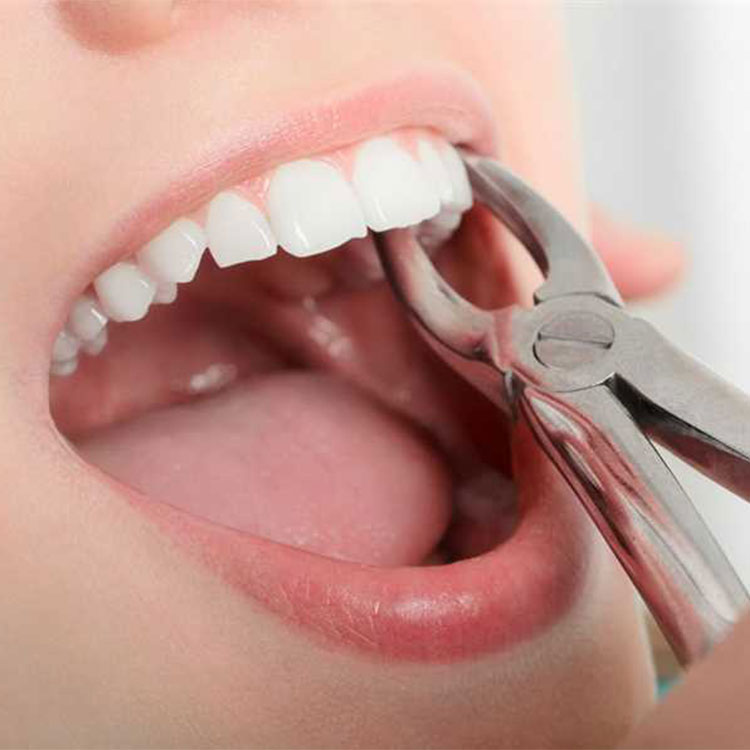
Tooth extraction procedure
Canadian Dental Care Plan (CDCP) accepted

Why Choose Dentist on Kingsway for Tooth Extraction in Vancouver?

Canadian Dental Care Plan (CDCP) accepted
Woman holding her jaw in tooth pain

Ready to Relieve Tooth Pain?

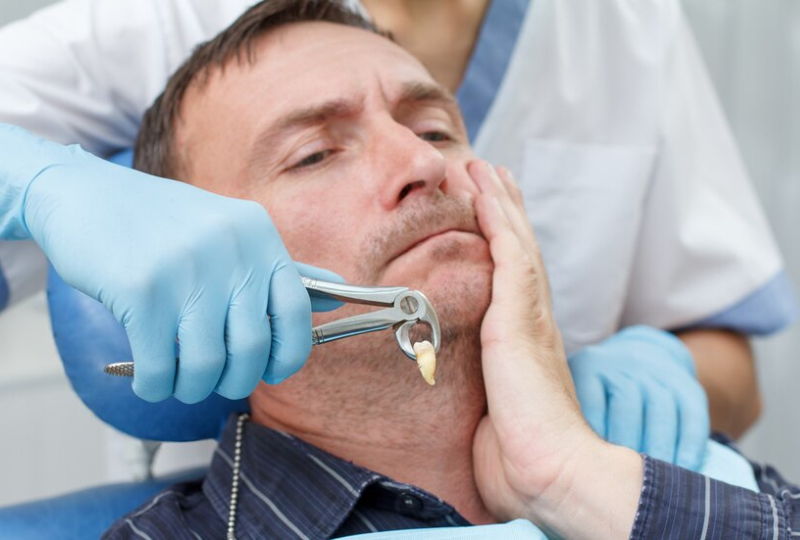
Tooth extraction procedure

When a Tooth Can Be Saved Instead

Extraction should be the last option, not the first, and it is worth understanding what the alternatives are before agreeing to lose a tooth.

A tooth with deep decay reaching the nerve can very often be saved with root canal treatment and a crown. A cracked tooth can sometimes be saved with a crown that binds it together, provided the crack has not extended below the gumline. Teeth loosened by gum disease can sometimes be stabilised with periodontal treatment if enough bone remains. Even a tooth broken at the gumline can occasionally be rebuilt using a post and crown, or exposed with minor gum surgery.

Extraction genuinely is the right answer when the tooth is fractured vertically through the root, when decay extends well below the gumline leaving nothing to build on, when bone loss is too advanced for stability, or when an impacted tooth is damaging its neighbour.

If extraction is recommended, it is entirely reasonable to ask why the tooth cannot be saved and what the alternatives would cost. Any dentist should be comfortable answering that.

Simple and Surgical Extractions

Extractions fall into two categories, and knowing which yours is tells you what to expect.

A simple extraction applies to a tooth that is fully visible above the gumline. After thorough numbing, the tooth is loosened within its socket and lifted out. It is quicker than most people expect — often a matter of minutes — and the sensation is pressure rather than pain. Stitches are frequently unnecessary.

A surgical extraction is needed when a tooth is broken at the gumline, has not fully erupted, or has roots that curve or grip the bone. A small incision gives access, a little bone may be removed, and the tooth is often divided into sections so each piece can come out through a smaller opening. Sectioning sounds worse than it is — it is the gentler approach, and it preserves more bone.

Either way you are numb throughout and will feel movement without pain. Which one you need is determined by X-rays beforehand, so there are no surprises on the day, and you will know before you sit down.

Recovery After an Extraction

The blood clot that forms in the socket is what protects the healing site. Almost all aftercare advice exists to keep it there.

First 24 hours. Bite firmly on gauze for 30 to 45 minutes. Do not rinse, spit, drink through a straw or smoke — the suction dislodges the clot. Rest with your head slightly raised, and use a cold compress twenty minutes on, twenty off. Cool soft foods only.

Day two onwards. Begin gentle warm salt-water rinses. Swelling typically peaks around day two or three rather than immediately. Keep brushing your other teeth normally, carefully avoiding the socket.

The first week. Discomfort eases steadily and most people are back to normal routine within a few days. Gradually reintroduce firmer foods, chewing on the other side.

Call us if pain suddenly worsens around day three to five instead of improving. That pattern suggests a dry socket — the clot has been lost and bone is exposed. It is genuinely uncomfortable, very treatable, and needs to be seen rather than waited out.

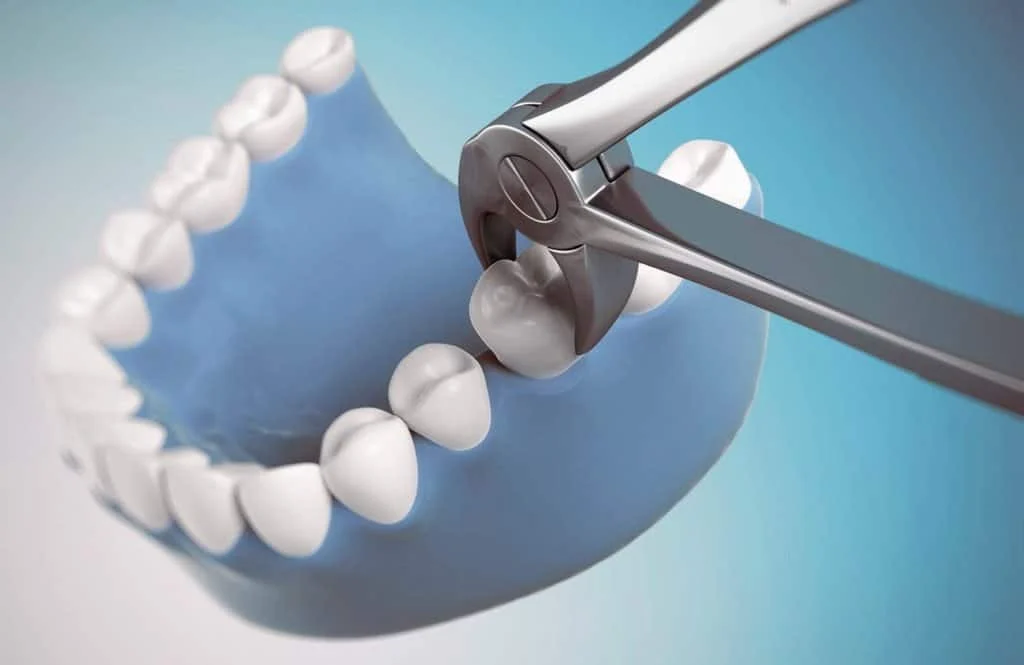
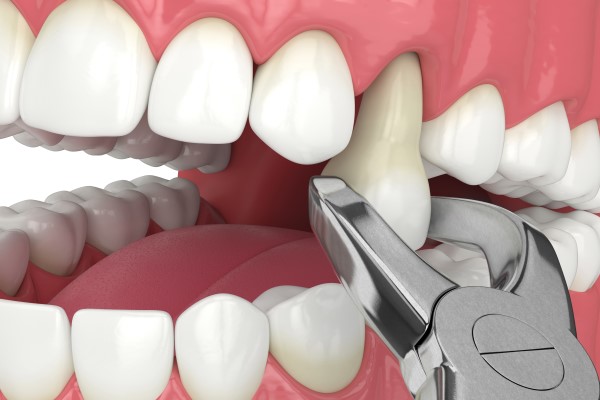
Dental forceps extracting a tooth from a model

Replacing an Extracted Tooth

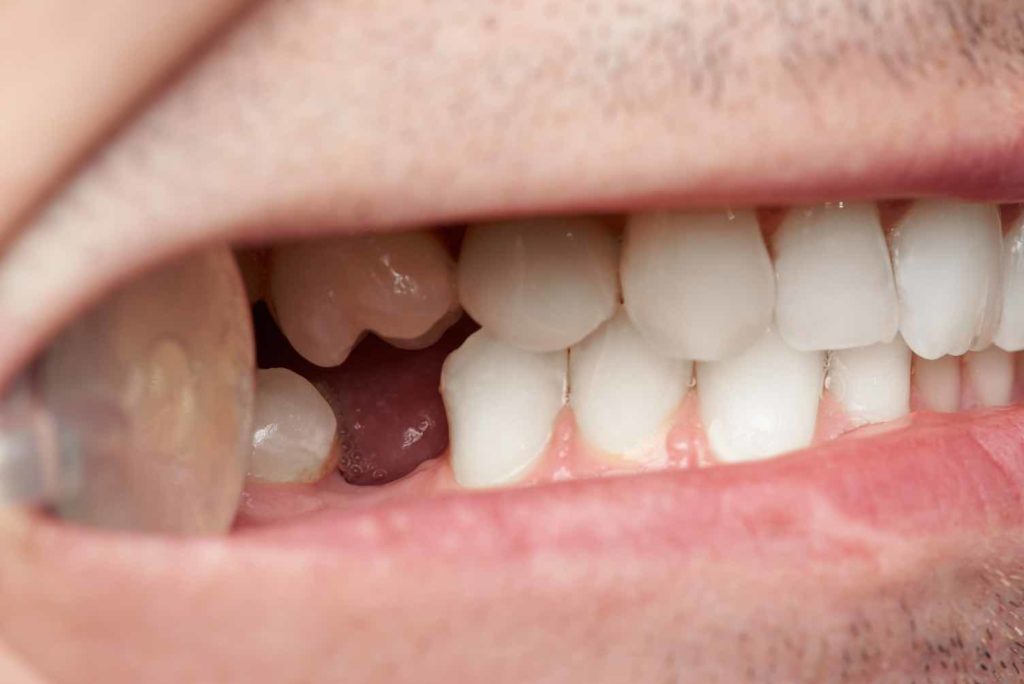
A gap is not a neutral outcome, and it is worth planning the replacement at the same time as the extraction rather than afterwards.

When a tooth is removed the bone that supported it begins to resorb, most noticeably in the first year. Neighbouring teeth drift toward the gap and the opposing tooth over-erupts into the space, which changes your bite and makes later replacement more complicated and more expensive.

The main options are a dental implant, which replaces the root as well as the crown and preserves bone; a bridge, which spans the gap using the neighbouring teeth for support; and a partial denture, which is removable and the most economical.

Back teeth matter even when nobody sees them — they carry the chewing load, and losing them shifts that work onto teeth not designed for it.

The exception is wisdom teeth, which are not usually replaced. For everything else, ask about replacement before the extraction, because some options are easier to plan while the site is still intact.

Frequently Asked Questions

No. We use modern anesthetics and gentle techniques to ensure the procedure is virtually painless.

Most patients heal within 5–7 days, but complete recovery of the socket may take a few weeks.

Soft foods like yogurt, soups, and mashed potatoes are best for the first few days. Avoid hard, spicy, or crunchy foods until healing is complete.

Yes. Stick to soft foods such as yogurt, applesauce, mashed potatoes, soup, and smoothies (without a straw) for the first few days. Avoid hot, crunchy, spicy, or hard foods until the area has healed.

Leaving a missing tooth untreated can cause neighboring teeth to shift, affect your bite, make chewing more difficult, and lead to bone loss over time. Your dentist may recommend a dental implant, bridge, or partial denture to restore your smile.

Yes. Wisdom teeth are often impacted or partially erupted, which can make their removal more complex than a standard extraction. Your dentist will evaluate your condition and determine the most appropriate treatment.

Yes. Wisdom teeth can be impacted, partially erupted, or positioned close to surrounding structures, which can make their removal more complex than a standard tooth extraction.

The process typically includes an examination and X-rays, local anesthesia to numb the area, removal of the tooth, and detailed aftercare instructions. Surgical extraction may require a small incision when necessary.

A missing tooth can allow nearby teeth to shift, affect your bite and chewing, and contribute to bone loss over time. Depending on your situation, your dentist may recommend an implant, bridge, or partial denture.

Applying an ice pack to the outside of your cheek during the initial period can help reduce swelling. Follow your dentist’s specific aftercare instructions for the best recovery.

Scroll to Top