
Dental Hygiene in Vancouver
- Dental hygiene in Vancouver with thorough cleaning, gum health checks, and personalized home-care advice.


Dental Hygiene Services in Vancouver for a Healthier Smile!
- Do you worry about a bright and fresh smile? Say no more because the Dentist on Kingsway is here to provide you with top-notch dental hygiene services in Vancouver.
- At our clinic, we understand that oral hygiene is essential, and these visits are the key to preventing dental issues that could disrupt your oral health. Our professional hygienists work with you to ensure your teeth stay clean, allowing your dentist to provide you with the best possible treatment.
What is Dental Hygiene?
- Dental hygiene refers to the practice of maintaining the health and cleanliness of your gums and teeth. This involves brushing, flossing, and regular visits to the dental hygienist for check-ups and deep cleanings.
- These professional dental cleanings ensure sound oral health by preventing bad breath, cavities, and gum diseases before they initiate. At our clinic, we offer a range of dental hygiene services that you can avail. A healthy mouth leads to a healthier you, and our team is here to ensure your smile stays clean, fresh, and vibrant.


Other Dental Services

Fluoride Treatment
Fluoride protects your teeth from cavities and can ease sensitivity. Dentist on Kingsway we’ll help you keep your smile healthy and strong, at any age.

Teeth Cleaning
A professional cleaning keeps your teeth healthy and your smile fresh. It helps prevent cavities, gum disease, and catches small issues early.

Tooth Decay Treatment
Got a sore tooth or sensitive spot? It could be tooth decay. We’ll fix it early and help keep your smile healthy and pain-free.

Gum Disease Treatment
Are you experiencing bleeding or tender gums? We can treat it early and help keep your smile healthy.
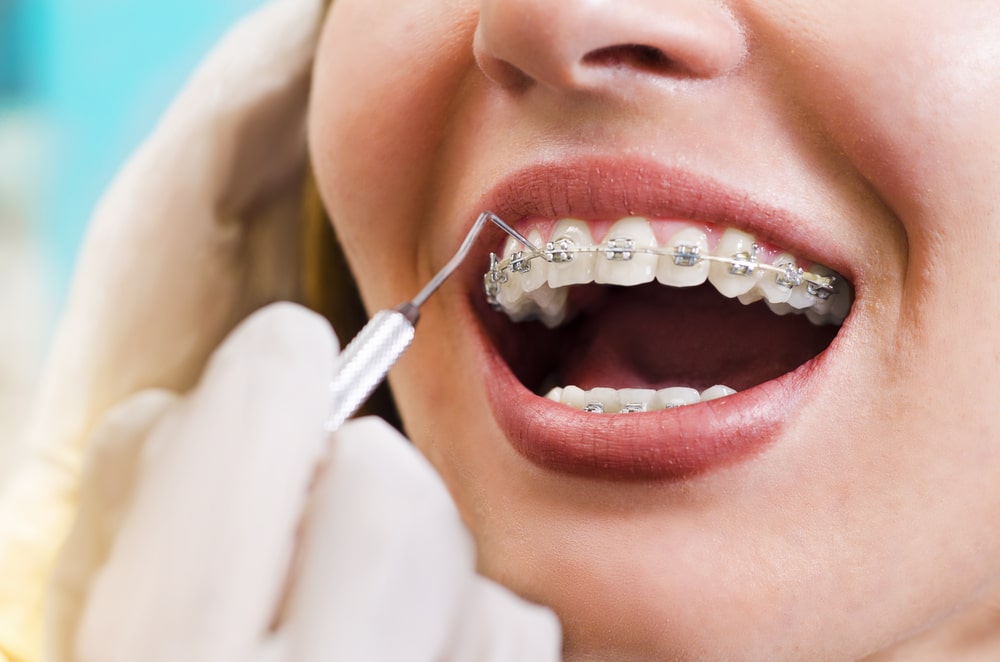
Who is a Dental Hygienist, and What Do They Do?
- A dental hygienist helps keep your smile healthy by cleaning teeth, checking for issues, and providing personalized care and advice.
Our Dental Hygiene Services in Vancouver
- At Dentist on Kingsway, our friendly hygienists are here to provide you with the following services:
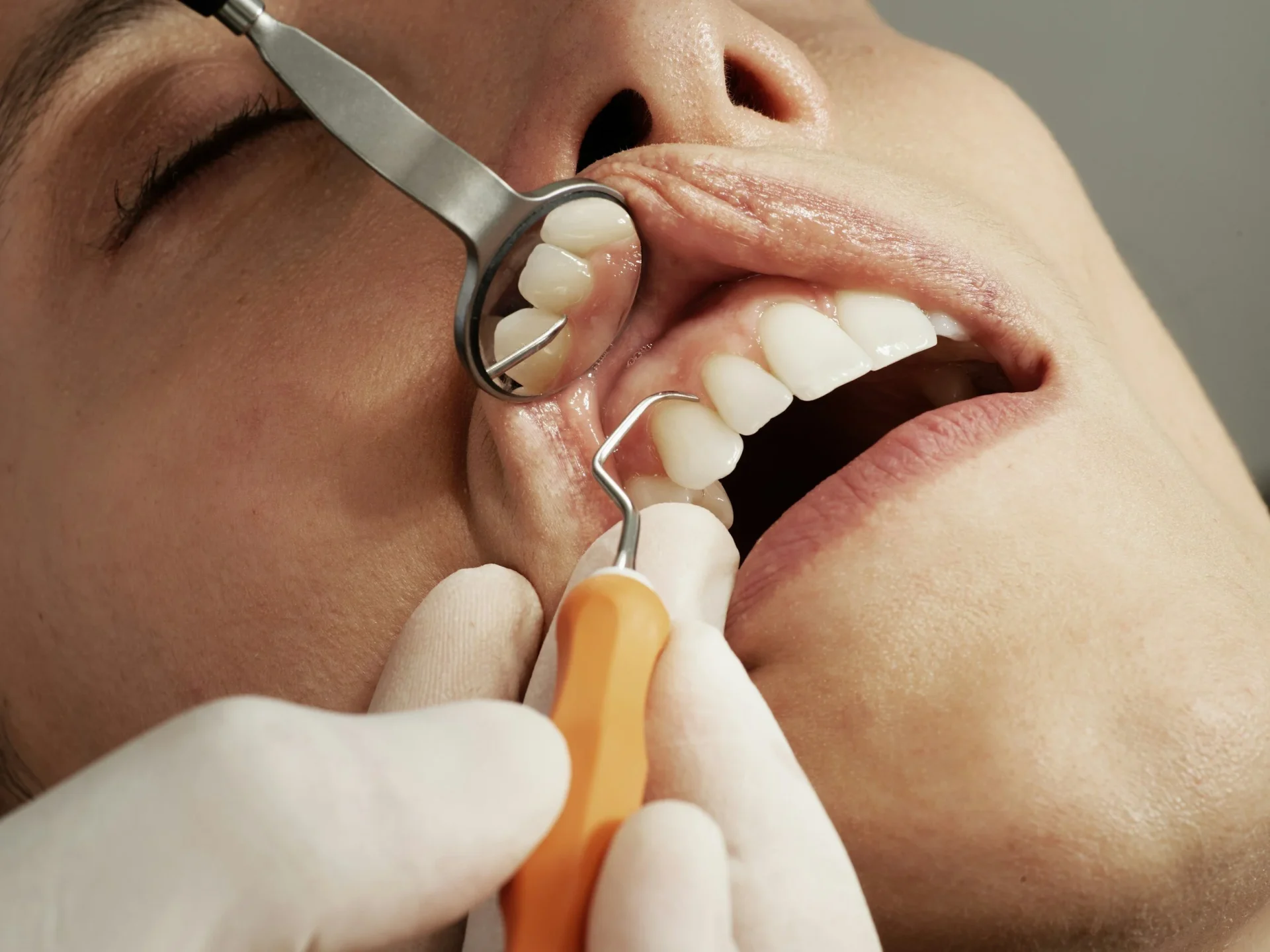
- Examination and Check-up: A dental hygienist will assess your oral health and screen for signs of gum disease or other potential problems.
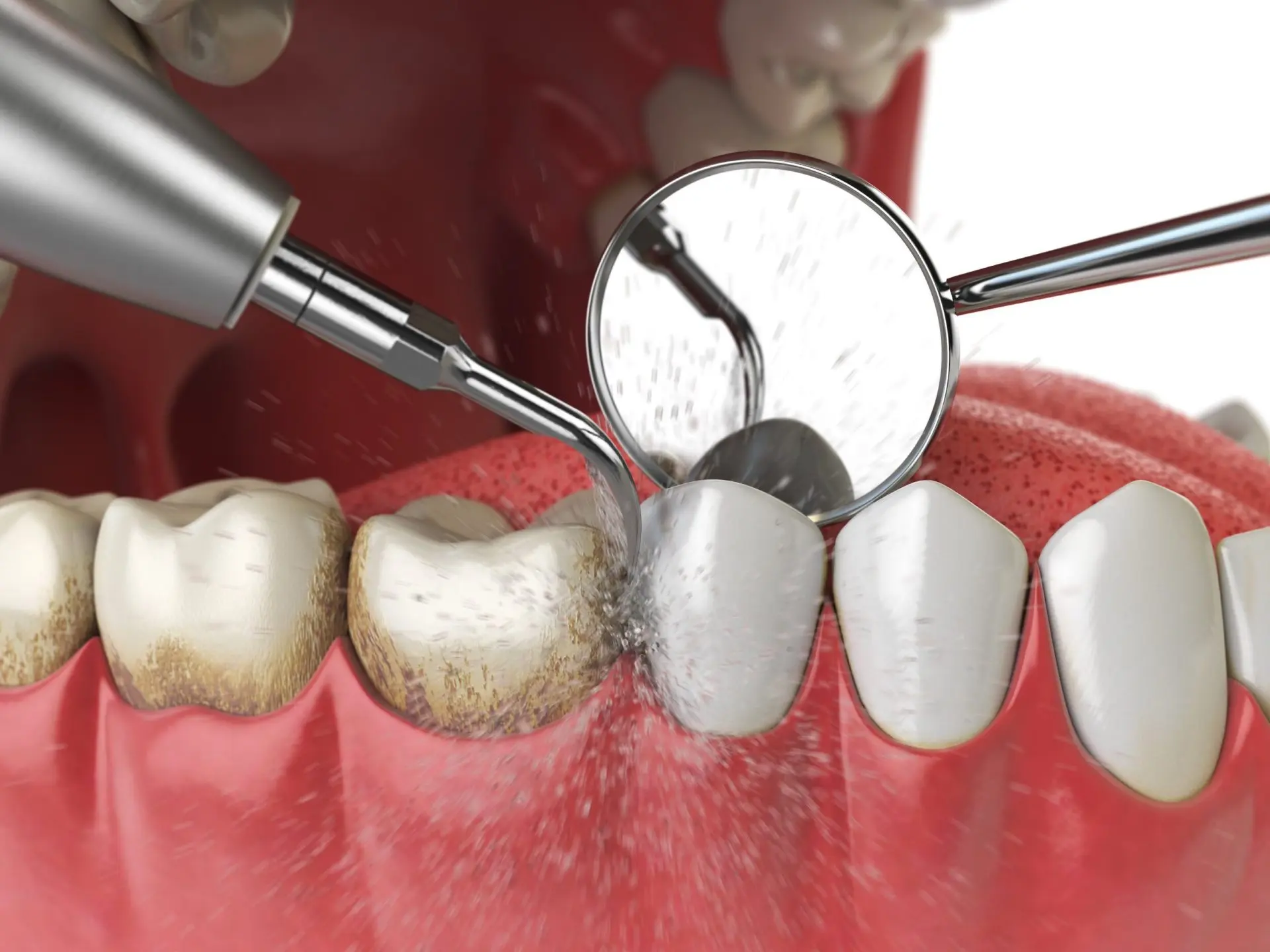
- Scaling and Root Planing: –A deep cleaning process to treat patients with gum disease by cleaning below the gum line and smoothing the roots of teeth.
- Polishing: –This is to remove stubborn stains from teeth.
- Oral Cancer Screenings:– Early detection is key. We perform routine screenings to catch any signs of oral cancer early on.
- Teeth Whitening: – Get a brighter smile with our safe, professional teeth whitening options.
- Fluoride Treatments: – Fluoride application helps strengthen enamel and prevent cavities.
- Oral Hygiene Education: – You can receive personalized advice based on your oral health about brushing, flossing and at home care.


Why is Dental Hygiene Important?
- Proper dental hygiene serves as the basis of a healthy smile and overall well-being. It helps prevent gum disease, cavities, foul breath, and even tooth loss.
- Regular brushing, flossing, and visits to the clinic offer several benefits that go beyond just a beautiful smile. Maintaining proper oral hygiene also reduces the risk of serious conditions like heart stroke and diabetes. When you invest in your dental hygiene in Vancouver, you're not just caring for your teeth and gums; you're protecting your health for the long term.
What a Dental Hygienist Actually Does
A registered dental hygienist is a licensed oral health professional in their own right, not a dental assistant. In British Columbia they complete a dedicated diploma or degree and register with the regulatory college, and they are the person you will spend most of your appointment time with.
Their work goes well beyond polishing. A hygiene appointment includes measuring the pockets between your gums and teeth to detect gum disease before you can feel it, removing hardened tartar from above and below the gumline, screening for early signs of decay and oral cancer, applying fluoride where it is useful, and taking X-rays when they are due.
The part patients underrate most is the coaching. A hygienist sees exactly where you are missing when you brush — the pattern is visible in the plaque — and can tell you specifically which surfaces to change rather than repeating generic advice. That single conversation often does more for long-term gum health than the cleaning itself.


Gum Disease: What to Watch For
Gum disease is the most common reason adults lose teeth, and its defining feature is that the early stage is painless. By the time something hurts, damage has usually been done.
Gingivitis is the early, reversible stage. Signs are gums that bleed when you brush or floss, redness and puffiness along the gumline, and persistent bad breath. Bleeding gums are not normal and are not a sign you are brushing too hard — they are inflammation. At this stage professional cleaning and better home care usually resolve it completely.
Periodontitis is what gingivitis becomes if it is left. The inflammation reaches the bone supporting the teeth, and that bone does not grow back. Signs include gums pulling away from the teeth, teeth that look longer, sensitivity at the roots, a bad taste, and eventually loosening or shifting teeth.
Risk rises with smoking, diabetes, certain medications, pregnancy and family history. If any of those apply to you, mention it — it changes how often we should be seeing you.
How Often Should You See a Hygienist?
Every six months is the familiar advice, and for many people it is right. It is not a rule, though — the correct interval depends on your mouth, not on the calendar.
Some patients with excellent home care, healthy gums and no risk factors do perfectly well at nine or twelve month intervals. Others need to be seen every three or four months: people with a history of periodontitis, smokers, patients with diabetes, those with dry mouth from medication, orthodontic patients in fixed braces, and anyone who builds tartar quickly.
The honest way to set the interval is to measure. We record your gum pocket depths and bleeding points at each visit, which turns this into an evidence question rather than a guess. If your readings are stable, we can stretch the interval; if they are worsening, more frequent maintenance is what stops it progressing.
Whatever the interval, consistency matters more than frequency. Regular moderate maintenance beats intensive treatment after a two-year gap.


Scaling and Root Planing Explained
If gum disease has progressed past the early stage, a routine cleaning is not enough, and the treatment you will be offered is scaling and root planing — sometimes called deep cleaning.
The difference is depth. A routine hygiene appointment cleans the tooth surfaces and just below the gumline. Scaling and root planing goes deeper into the pockets that have formed, removing tartar and bacterial deposits from the root surfaces, then smoothing those roots so the gum tissue can reattach and the pocket can shrink.
It is usually done with local anaesthetic, often over two appointments treating one side of the mouth at a time, which keeps you comfortable and lets you eat normally in between. Afterwards expect some tenderness and sensitivity to cold for a few days.
The important part is what follows. Scaling and root planing resets the situation; it does not immunise you. Patients who return for regular periodontal maintenance keep the result, and patients who do not usually find the pockets return within a year or two.
Looking After Your Gums at Home
Professional cleaning removes what has already hardened. Everything between appointments is down to you, and the daily routine matters more than any single visit.
Brush twice daily for two full minutes with a soft-bristled brush angled at roughly 45 degrees toward the gumline — that angle is what actually disturbs plaque where gum disease starts. Hard bristles and heavy pressure damage gums rather than cleaning them better. An electric brush with a pressure sensor helps if you tend to scrub.
Clean between your teeth once a day. Brushing reaches roughly three-fifths of each tooth surface; the rest is only reachable with floss, interdental brushes or a water flosser. Interdental brushes are more effective than floss where the gaps are large enough to take them.
Do not stop when gums bleed. Bleeding usually means that area is inflamed and needs cleaning more, not less. It typically settles within a week or two of consistent care — if it does not, come and see us.