
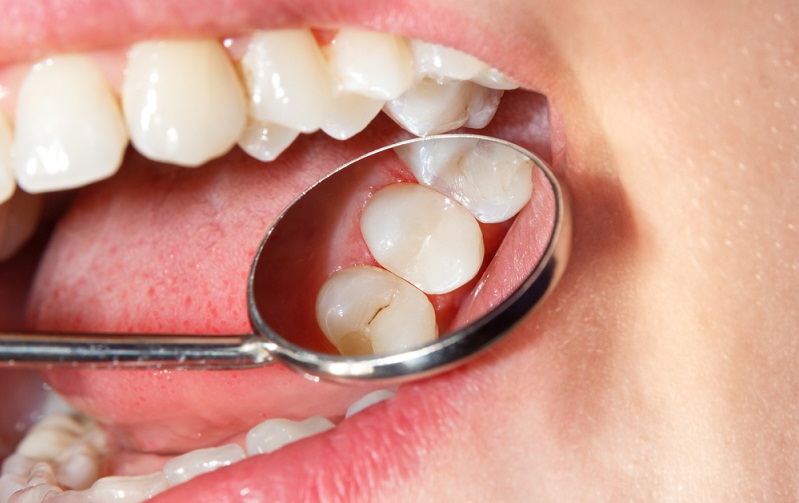
Dental sealants are thin, protective coatings applied to the chewing surfaces of back teeth—usually the molars. They help prevent food and bacteria from getting stuck in the grooves, significantly lowering the risk of cavities.
Children and teenagers are most prone to tooth decay, especially as their adult teeth emerge. Sealants provide an added layer of defense during these cavity-prone years, giving their smiles a healthier start.
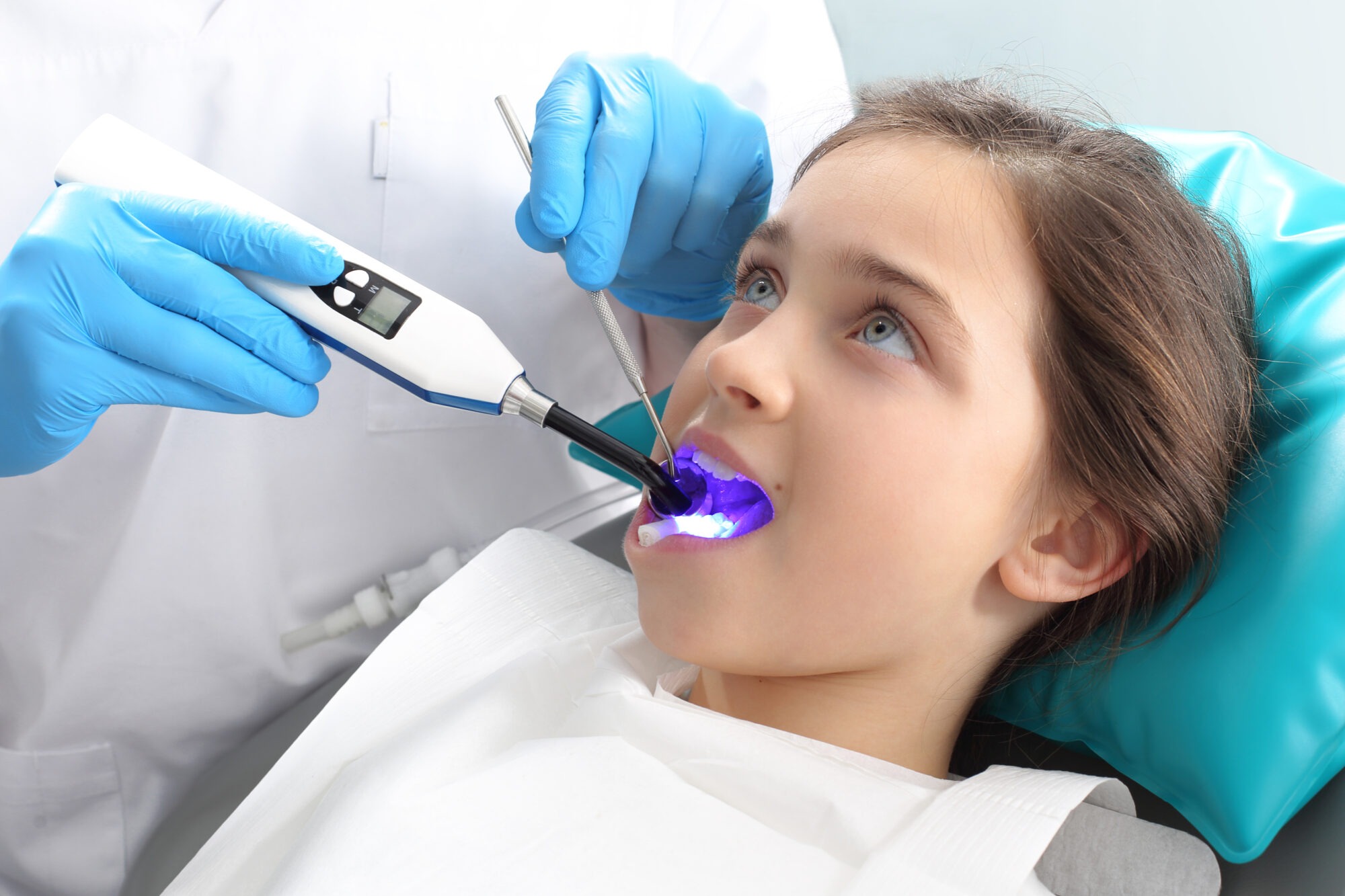
Sealants act as a shield against cavities by sealing out plaque and food particles from the grooves of molars, which are often hard to clean with regular brushing alone.
Young patients benefit most from sealants soon after their permanent molars come in. It’s a simple, painless procedure that protects vulnerable teeth during their most cavity-prone years.
The application process is fast and completely non-invasive. Once applied, sealants can last several years, providing ongoing protection without the need for special care.
Everyday care that keeps your family's smiles healthy.
Everyday care that keeps the whole family smiling.
Learn more →Exam & CleaningThorough exams and cleanings to prevent problems.
Learn more →Teeth CleaningProfessional cleanings for a fresh, healthy mouth.
Learn more →Dental HygieneRoutine hygiene care to keep gums and teeth healthy.
Learn more →Fluoride TreatmentStrengthens enamel and helps prevent decay.
Learn more →DenturesNatural-looking, comfortable tooth replacement.
Learn more →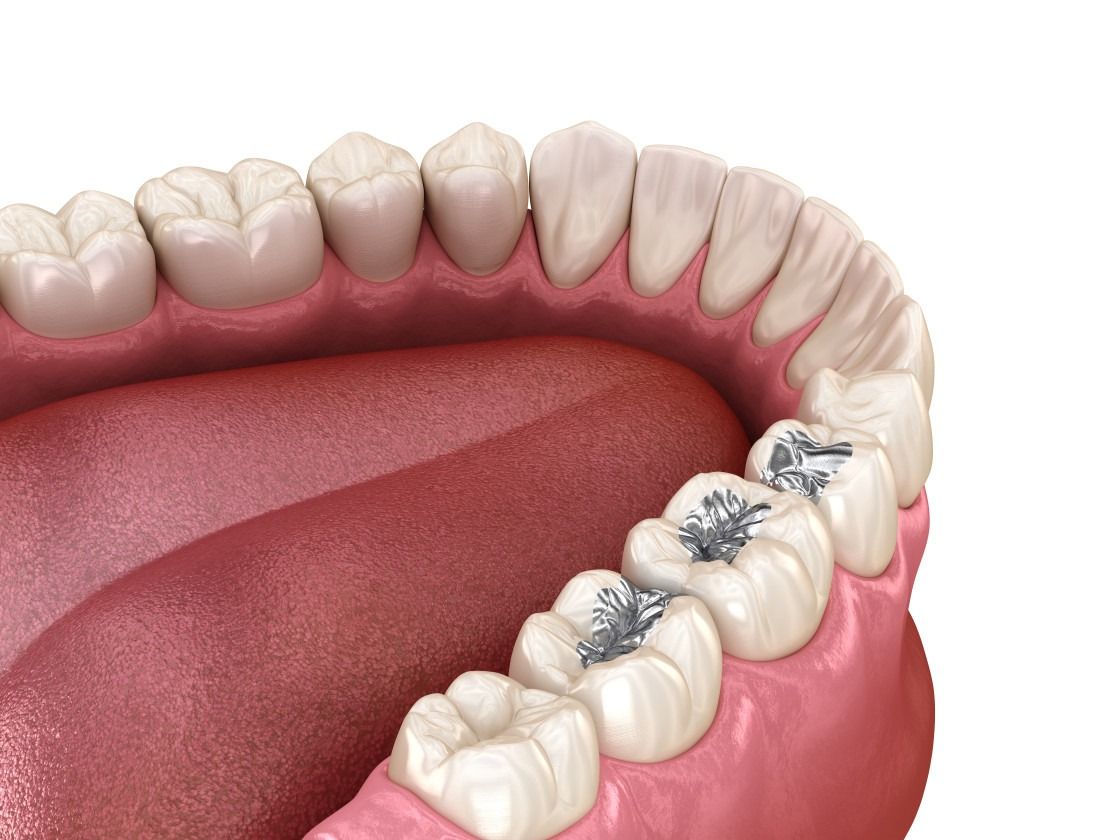
Applying a sealant is one of the quickest and most comfortable procedures in dentistry. There is no drilling, no injection and no discomfort, which makes it an easy first experience for a nervous child.
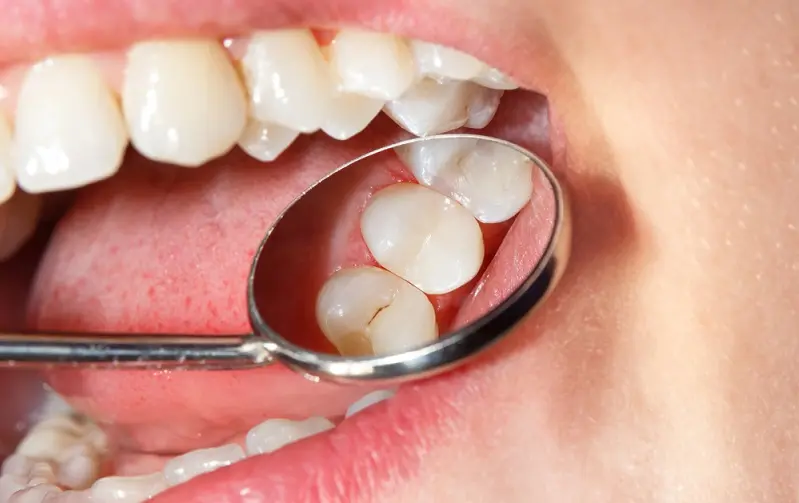
The tooth is cleaned thoroughly and dried, and kept dry with cotton rolls — moisture is the main thing that would stop the sealant bonding properly. A mild etching gel is applied for a few seconds to create a slightly rough surface for the sealant to grip, then rinsed off and the tooth dried again. The liquid sealant is painted into the grooves, where it flows into crevices too narrow for a toothbrush bristle to reach, and a curing light hardens it in seconds.
We then check the bite and adjust if the sealant sits high. The whole process takes a few minutes per tooth, and your child can eat immediately afterwards.
The only part that requires cooperation is keeping the tooth dry and staying still for a few minutes, which is well within what most young children manage.
Sealants commonly last five to ten years, and often longer, but they are not permanent and they do need checking.
Wear varies with how heavily someone chews and whether they grind. The most common outcome is not dramatic failure but gradual partial loss, where a section chips away while the rest stays intact. That partial loss is exactly why professional checks matter — a gap at the edge of a sealant can trap plaque, and decay under a failing sealant is harder to spot.
We inspect sealants at every routine visit, and where one has worn it can be repaired or reapplied quickly and inexpensively. There is no need to remove what remains first in most cases.
An important point: a sealant is not a substitute for brushing. It protects the biting surface grooves, which is where most childhood decay begins, but it does nothing for the surfaces between teeth or along the gumline. Brushing, flossing and sensible sugar habits still do the bulk of the work.
Sealants are strongly associated with children, and that association means a lot of adults who would benefit never get offered them.
The eligibility test is not age — it is whether you have deep grooves in your back teeth that are free of decay and free of fillings. Plenty of adults do. If your molars have never needed treatment and have pronounced fissures, sealing them is a reasonable preventive step.
Adults who benefit most include those with a history of decay in the grooves of their teeth, people with dry mouth from medication, patients with limited dexterity from arthritis or disability that makes thorough brushing harder, and anyone whose diet or work pattern involves frequent snacking.
Sealants cannot be placed on a tooth that already has a filling in the biting surface, or where decay has already started in the groove — that needs treating rather than covering. We will tell you at your check-up whether your back teeth are suitable, and it is a fair question to ask.
The question patients most often want to ask concerns BPA, and it deserves a direct answer.
Some dental sealants contain compounds that can release trace amounts of bisphenol A. The exposure has been measured, and it is extremely small — far lower than everyday exposure from food packaging and other common sources — and it occurs only briefly, in the hours immediately after placement.
Professional bodies including the Canadian Dental Association and the American Dental Association have reviewed the evidence and continue to recommend sealants, judging the protective benefit against childhood decay to substantially outweigh this minimal exposure. Wiping and rinsing the tooth surface immediately after curing, which we do, reduces the transient release further.
The alternative is worth stating plainly. Untreated decay in a child means fillings, potential infection, possible extraction and, in some cases, treatment under general anaesthetic. Weighed against that, a sealant is a conservative choice. If you would prefer a specific material, ask — we are happy to discuss the options.
Sealants are among the least expensive preventive treatments in dentistry, and they are priced per tooth rather than per visit. Most children have sealants placed on four permanent molars, and the whole appointment takes about as long as a cleaning. There is no freezing and no drilling, so there is nothing to recover from.
Preventive services, including sealants, are covered under the Canadian Dental Care Plan for eligible patients. Most private dental plans also cover sealants for children, often at 100%, because insurers would rather pay for a sealant now than a filling later. We bill your plan directly wherever we can.
We work from the BC Dental Association Suggested Fee Guide and will tell you the per-tooth fee and how many teeth we are recommending before we place anything. If only one or two molars actually have grooves deep enough to benefit, we will say so rather than sealing a full set for the sake of it.
Sealants are checked at each recall appointment. They wear down over years and can be topped up, which costs far less than treating a cavity in the same groove.
Dental sealants are a thin protective coating applied to the chewing surfaces of back teeth to seal out food and bacteria and help prevent cavities.
Sealants are especially beneficial for children and teens as their molars come in, but adults without decay or fillings in their molars can benefit too.