

Your smile is one of your brightest and most valuable assets, so why not enhance it even more? At Dentist on Kingsway, we emphasize your oral needs greatly, so we have you covered with our professional teeth cleaning services in Vancouver!
We help you remove plaque, prevent cavities, and support your overall oral health.
Teeth cleaning is a professional dental process to remove plaque and tartar buildup on your teeth. It goes beyond just brushing your teeth at home, and takes your through proper deep cleaning of your teeth
This procedure helps prevent cavities, gum disease, and other oral health problems. It also involves using specialized tools and hand instruments to scrape the buildup, polish teeth, and floss away stubborn particles.

Persistent bad breath that doesn't go away after brushing or using mouthwash may be a sign of plaque buildup or gum disease, both of which require professional cleaning.
If your gums bleed when brushing or flossing, it could be an early sign of gum disease. Professional cleaning can help reverse this condition and prevent further damage.
Inflamed, swollen, or tender gums are often signs of gum disease, which is caused by plaque and tartar. A teeth cleaning will help remove the buildup and reduce inflammation.
Increased sensitivity to hot or cold foods and drinks may indicate plaque buildup around the gums, which can be alleviated through professional cleaning.
If you notice yellowish or brownish deposits on your teeth, it's likely tartar, which can only be removed by a dental professional.
Surface stains from food, drinks, or tobacco can make your smile appear dull. A professional cleaning helps remove these stains and brightens your teeth.
Teeth cleaning is essential for several reasons

Everyday care that keeps your family's smiles healthy.
Everyday care that keeps the whole family smiling.
Learn more →Exam & CleaningThorough exams and cleanings to prevent problems.
Learn more →Dental HygieneRoutine hygiene care to keep gums and teeth healthy.
Learn more →Dental SealantsProtective coatings that shield teeth from cavities.
Learn more →Fluoride TreatmentStrengthens enamel and helps prevent decay.
Learn more →DenturesNatural-looking, comfortable tooth replacement.
Learn more →Understanding the difference between plaque and tartar explains why a professional cleaning is not simply a more thorough version of what you do at home.
Plaque is the soft, sticky film of bacteria that forms on teeth continuously, within hours of cleaning. It is soft, and brushing and flossing remove it — which is exactly why they need doing twice a day, every day.
Tartar, also called calculus, is plaque that has hardened. Minerals in your saliva calcify the film within about 24 to 72 hours, and once that happens it bonds to the tooth surface. No toothbrush, no floss, no whitening toothpaste and no amount of scrubbing will shift it. It has to be removed mechanically with dental instruments.
That is the entire case for professional cleaning. Tartar is rough and porous, so it collects more plaque, which hardens in turn, and the deposit grows — particularly below the gumline where you cannot see it. Left alone it drives the inflammation that becomes gum disease. Some people build tartar far faster than others, which is why cleaning intervals should be set individually rather than by a blanket six-month rule.
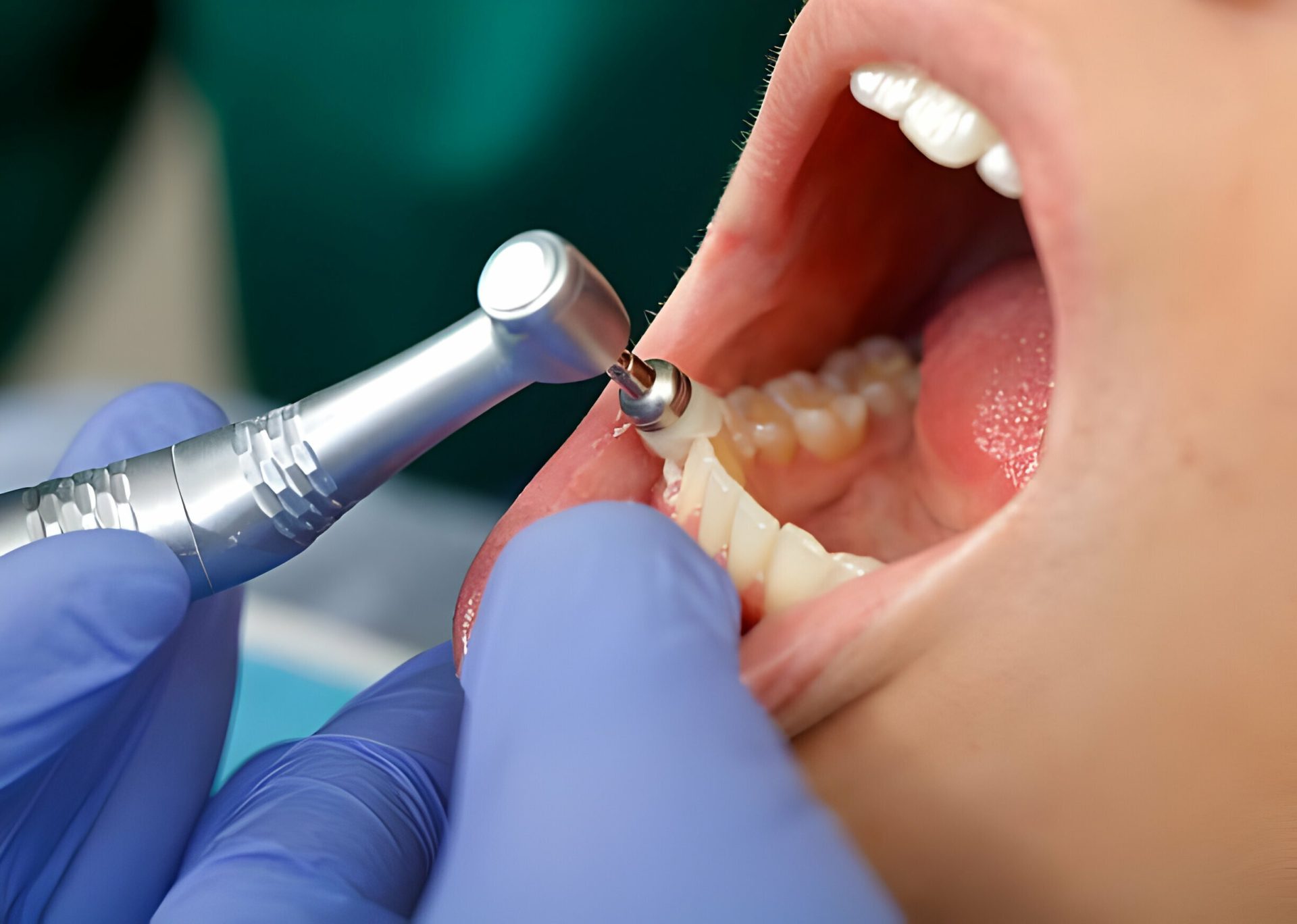
These are genuinely different procedures, and it is worth knowing which one you are being offered and why.
A regular cleaning — the routine appointment most people have twice a year — removes plaque and tartar from the tooth surfaces and just below the gumline, then polishes. It is preventive, suits patients with healthy gums, and is usually completed comfortably in a single visit without anaesthetic.
A deep cleaning, properly called scaling and root planing, is a treatment rather than a preventive measure. It is recommended when gum disease has allowed pockets to form between gum and tooth, and it cleans the root surfaces inside those pockets, then smooths them so the gum can reattach. It is usually done with local anaesthetic and often split across two appointments.
How do we decide? By measuring, not by guessing — we record the depth of the pockets around each tooth. Healthy readings mean a regular cleaning is appropriate. Deeper pockets with bleeding mean a routine polish would leave the actual problem untouched. If you are ever offered a deep cleaning, it is entirely reasonable to ask to see your pocket measurements.
Twice a year is the familiar answer, and for many people it is right. It is a starting point rather than a rule, though, and the correct interval depends on your mouth.
Every three to four months suits patients with a history of gum disease, smokers, people with diabetes, those with dry mouth from medication, patients in fixed braces, and anyone who visibly builds tartar quickly.
Every six months works for the majority — reasonable home care, healthy gums, no particular risk factors.
Every nine to twelve months can be appropriate for a small group with excellent home care, consistently healthy readings and no risk factors.
The honest way to set this is with evidence. We record gum measurements and bleeding points at each visit, which shows whether your current interval is working. If readings stay stable we can stretch it; if they are drifting, that is the signal to come more often — long before you would notice anything yourself.
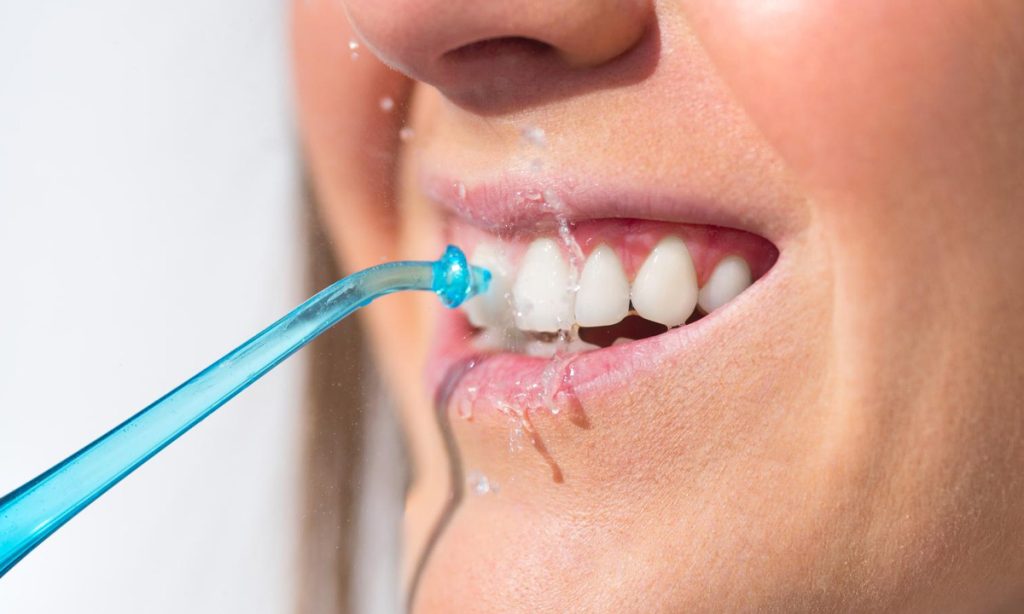
For most people, no. A routine cleaning is a pressure-and-vibration sensation rather than a painful one, and the majority of patients find it unremarkable.
Discomfort, when it happens, has identifiable causes. Inflamed gums are tender and bleed, so if it has been a while since your last visit the first cleaning is the least comfortable one — and it gets easier as the gums become healthy. Exposed root surfaces from gum recession are sensitive to cold water and the ultrasonic scaler. Heavy tartar takes longer to remove, which means more time working in one area.
What helps: tell us before we start, not afterwards. We can use a topical numbing gel, apply local anaesthetic for deeper cleaning, adjust the instruments we use, switch to warm water, and work in shorter bursts with breaks. Using a desensitising toothpaste for two weeks beforehand makes a real difference if you know you are sensitive.
If anxiety rather than sensitivity is the issue, say so when you book. Nobody should be avoiding cleanings because of an experience years ago.
A routine cleaning is usually one of the most affordable appointments in dentistry, and one of the best covered.
Fees depend on how much time is needed — cleaning is billed by units of scaling time, so someone with heavy tartar buildup will need more units than someone seen regularly. That is one of the quiet arguments for not skipping appointments: longer gaps mean more time in the chair and a larger bill.
Most extended health plans cover preventive care at a high percentage, often 80 to 100 percent, though many cap the number of scaling units per year. Ask your provider for two numbers: your annual maximum and your scaling unit limit.
We bill insurers directly, so you pay only the difference at the appointment. We also accept the Canadian Dental Care Plan, which covers preventive care including cleanings for eligible patients — mention it when you book so we can confirm your coverage beforehand. If you have no coverage at all, ask us for the fee up front; it is a straightforward number and we are happy to give it.
Deep cleaning of teeth is also called scaling and root planing.
Dental cleanings are very safe and effective. However, you may experience some tooth sensitivity and soreness.
Most professional cleanings are comfortable and cause little to no discomfort. If you have sensitive teeth or inflamed gums, you may experience mild sensitivity during or after the procedure, but it usually resolves quickly.
A professional cleaning removes surface stains caused by coffee, tea, wine, and tobacco, making your teeth appear brighter. However, it does not change the natural shade of your teeth like professional teeth whitening treatments do.
Routine cleanings help prevent cavities, gum disease, bad breath, and plaque buildup while allowing your dentist to detect oral health problems early, when they’re easier to treat.
Deep cleaning of teeth is also called scaling and root planing.
Yes. Cleaning removes plaque, tartar, bacteria, and trapped food particles that can contribute to persistent bad breath.
A regular cleaning focuses on plaque and tartar above and around the gumline. Deep cleaning, also called scaling and root planing, is a more extensive treatment used when gum disease has affected areas below the gumline.
Yes. Brushing and flossing are essential for daily oral hygiene, but they cannot remove hardened tartar. Professional cleanings help remove buildup that cannot be eliminated at home.
Yes. Regular professional cleanings remove plaque and tartar that can contribute to gum inflammation and periodontal disease.