Imagine waking up every morning with a smile that feels fresh, clean, and healthy. Your smile is your first impression on the world, and it says a lot about your overall health. But how can you achieve that radiant, healthy smile? The answer is simpler than you might think: better brushing techniques.
If you’re still brushing the same way you did years ago, you might be missing out on the full potential of your oral care routine. The good news? By mastering the right techniques, you can dramatically improve your dental health and achieve the smile you’ve always wanted. Let’s dive in and discover the secret to brushing your way to a healthier smile!
The Basics of Brushing Your Teeth
Brushing your teeth is the most basic yet most important aspect of your oral hygiene routine. But did you know that brushing is more than just a chore? It’s the first line of defense against plaque, bacteria, and the buildup of tartar, all of which can lead to cavities, gum disease, and bad breath. So, let’s start with the basics!
What is Proper Brushing?
Proper brushing isn’t just about picking up your toothbrush and scrubbing away. It’s about precision and technique. To really know how to properly brush your teeth, you need to ensure that you’re cleaning every surface, the front, the back, and the chewing surfaces. A common mistake people make is brushing too fast or missing spots, which can leave harmful bacteria behind.
How Often Should You Brush?
Brushing twice a day, once in the morning and once before bed, is essential for maintaining a healthy smile. But it’s not just about frequency. Brushing immediately after meals can help reduce plaque buildup and prevent tooth decay. If you’re really committed, brushing after every meal will keep your teeth fresh and clean all day long.
Common Brushing Mistakes to Avoid
While brushing seems simple enough, many of us make mistakes that can undermine our efforts to maintain good oral hygiene. Let’s look at some of the most common brushing blunders and how to avoid them.
- Using Too Much Force
One of the most common mistakes is brushing too hard. This can cause damage to your gums and wear down the enamel on your teeth. Instead, use a gentle touch with short, circular strokes to clean your teeth effectively without causing harm. - Not Replacing Your Toothbrush Regularly
A toothbrush isn’t meant to last forever. Over time, the bristles can become worn down, making them less effective at cleaning. Replace your toothbrush every three to four months, or sooner if the bristles are frayed. - Brushing for Too Little Time
You’ve probably heard that you should brush for two minutes, but many people brush for much less. Brushing for at least two minutes ensures that you reach every corner of your mouth, giving you a thorough clean.
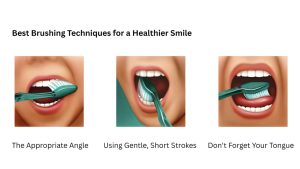
Best Brushing Techniques for a Healthier Smile
Now that we’ve covered the basics and the mistakes to avoid, let’s explore the best brushing techniques to help you achieve that healthier, brighter smile.
The Appropriate Angle
It’s important to hold your toothbrush at a certain angle. Press your toothbrush up against your gums at a 45-degree angle. This helps remove plaque from both the tooth surface and the gum line at the same time.
Using Gentle, Short Strokes
Instead of scrubbing back and forth, which can damage gums, use short, gentle strokes. Be sure to brush each tooth’s chewing surface, back, and front independently. You can maintain better control and shield sensitive gum tissue by employing this technique.
Don’t Forget Your Tongue
Your tongue is a breeding ground for bacteria, and it’s essential to brush it regularly. Gently scrub your tongue with your toothbrush or use a tongue scraper to remove bacteria and ensure fresh breath.
Choosing the Right Toothbrush and Toothpaste
Your toothbrush and toothpaste are your first line of defense against plaque and cavities, so choosing the right ones is essential.
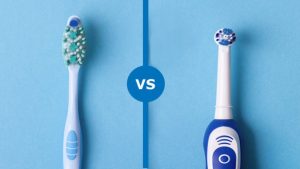
Manual vs. Electric Toothbrush: Which One is Best?
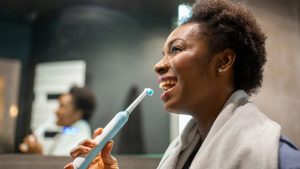
When used properly, both electric and manual toothbrushes can be useful. However, electric toothbrushes frequently have additional features, such as pressure sensors to prevent over-brushing of your gums and timers to help you brush for the full two minutes. Additionally, electric toothbrushes may be more effective at eliminating plaque, particularly if you’re unsure about how to use one. For optimal results, start out slowly and adhere to the manufacturer’s instructions if you’re new to using an electric toothbrush.
Selecting the Right Toothpaste
Not all toothpaste is created equal. Choose a fluoride toothpaste that will help protect your enamel and fight cavities. If you have specific needs (such as sensitive teeth), opt for toothpaste designed to address those issues. Make sure the toothpaste you choose has the American Dental Association (ADA) seal of approval for maximum effectiveness.
Brushing Techniques for Braces: Special Considerations for Orthodontic Care
It takes a little more work to brush your teeth when you have braces. Cleaning becomes more difficult when food particles and plaque become lodged around the brackets and wires. Here’s how to brush your teeth with braces on:
- Use an electric toothbrush with a braces-specific head or a toothbrush with soft bristles.
- Hold your toothbrush at a 45-degree angle to clean around the brackets.
- Brush the chewing surfaces, inner and outer surfaces of your teeth, and gently around the braces themselves.
It’s also important to floss regularly. Flossing between the wires and around your brackets helps remove any leftover food and plaque.
Additional Tips for Maintaining a Healthier Smile
Brushing alone isn’t enough to keep your teeth and gums in top condition. Here are a few extra tips that can help maintain a healthier smile.
- Flossing and Mouthwash
Flossing is just as important as brushing. It helps remove food particles and plaque from between your teeth that your toothbrush can’t reach. Mouthwash can also help rinse away bacteria and freshen your breath. - Visit Your Dentist Regularly
Even with perfect brushing habits, routine dental checkups are essential. Dentists can spot issues like cavities and gum disease early, helping prevent major dental problems down the road. - Healthy Diet for Oral Health
Eating a diet rich in fruits, vegetables, and calcium is beneficial for your teeth. Foods like apples, carrots, and leafy greens naturally clean your teeth as you eat, while dairy products help strengthen tooth enamel.
Conclusion: Ready to Improve Your Smile?
Now that you know the best brushing techniques, it’s time to put them into practice and achieve the healthier, brighter smile you’ve always wanted. If you’re looking for expert advice and personalized care, schedule a consultation with Dentist on Kingsway today!
We’re here to help you create a dental routine that works for you and your unique needs. Our team of dental professionals is dedicated to helping you achieve and maintain your best smile. Don’t wait, your perfect smile is just a brush away!
Keep Reading