
Getting your wisdom teeth removed can feel intimidating, especially if you don’t know what to expect afterward. Questions like “Does wisdom teeth removal hurt?”, “How long does wisdom teeth recovery take?” and “What can I eat?” are completely normal.
The good news? Wisdom teeth removal is one of the most common oral surgeries performed today. With the right care and guidance, recovery is usually smooth and manageable.
In this complete recovery guide, we’ll walk you through:
- What wisdom teeth removal involves
- How long does the procedure takes
- A clear wisdom teeth recovery timeline
- What to eat after wisdom teeth removal
- Wisdom teeth removal aftercare tips
- How long does it take for wisdom teeth to heal
- Practical ways to speed up wisdom teeth recovery
Let’s start from the beginning.
What Is Wisdom Teeth Removal?
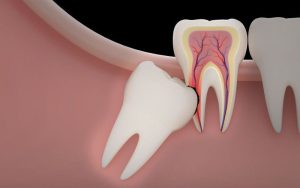
Wisdom teeth removal is a minor surgical procedure to extract one or more of your third molars, the teeth located at the very back of your mouth.
Most people have four wisdom teeth, and they typically emerge between the ages of 17 and 25. Unfortunately, many mouths don’t have enough space for them to grow properly.
Your dentist may recommend wisdom teeth removal if you have:
- Impacted teeth (stuck under the gums)
- Pain or swelling
- Repeated infections
- Crowding that affects nearby teeth
- Damage to adjacent molars
- Cysts or gum disease
In many cases, removing them early prevents bigger problems later. The procedure is safe, predictable, and performed daily in dental offices and oral surgery centers.
Does Wisdom Teeth Removal Hurt?
This is the most common concern patients have.
During the Procedure
No, you should not feel pain during wisdom teeth removal.
Before the procedure begins, your dentist or oral surgeon will numb the area using local anesthesia. In some cases, sedation or general anesthesia is used, depending on the complexity of the extraction and your comfort level.
You may feel pressure, but you should not feel sharp pain.
The goal is complete comfort during the surgery.
After the Procedure
Some discomfort is normal once the anesthesia wears off.
Here’s what most patients experience:
- Mild to moderate soreness
- Swelling (especially in the first 48 hours)
- Jaw stiffness
- Minor bleeding
Pain typically peaks within the first 24–48 hours and then gradually improves. Over-the-counter or prescribed pain medications, along with ice packs, help manage discomfort effectively.
If pain suddenly worsens after a few days instead of improving, contact your dentist; it could be a sign of dry socket.
How Long Does Wisdom Teeth Removal Take?
Another common question is: How long does wisdom teeth removal take?
The answer depends on how many teeth are being removed and whether they’re impacted.
Here’s a general breakdown:
- Simple extraction (fully erupted tooth): 20–40 minutes
- Impacted tooth removal: 45–60 minutes
- All four wisdom teeth removed: About 45–90 minutes total
Many procedures are completed in under an hour. You’ll likely spend more time preparing and recovering than on the actual surgery itself.
Wisdom Teeth Recovery Timeline: What to Expect
Understanding the wisdom teeth recovery timeline can ease anxiety and help you plan ahead. Below is a realistic, day-by-day overview of what wisdom teeth recovery looks like for most patients.
First 24 Hours
This is the most important phase of healing.
What happens:
- Bleeding slows, and clot formation begins
- Swelling starts
- Numbness gradually wears off
What to do:
- Bite gently on the gauze to control bleeding
- Rest with your head elevated
- Apply ice packs (20 minutes on, 20 minutes off)
- Avoid rinsing, spitting, or using straws
When can I eat after wisdom teeth removal?
You can eat once the numbness wears off, usually within a few hours, but stick to very soft, cool foods.
Days 2–3
Swelling usually peaks around day 2 or 3.
You may notice (This is normal):
- Puffy cheeks
- Bruising
- Mild stiffness when opening your mouth
Continue:
- Soft food diet
- Gentle saltwater rinses (after 24 hours)
- Taking prescribed medications
At this stage, many patients ask: How long does wisdom teeth recovery take?
You’re still early in the healing process, but improvement should already be noticeable by day 3.
Days 4–7
This is when most people start feeling significantly better.
You may experience:
- Reduced swelling
- Less soreness
- Improved jaw movement
You can gradually return to light activities.
When can I eat solid food after wisdom teeth removal?
By day 5–7, many patients can begin introducing soft solids like pasta, eggs, or tender chicken, as long as chewing doesn’t cause pain.
Avoid hard, crunchy, or sticky foods for at least a week.
Week 2 and Beyond
By the second week, most visible symptoms improve significantly.
You’ll likely notice:
- Minimal swelling
- Very mild soreness (if any)
- Stitches dissolving (if dissolvable sutures were used)
- Gum tissue closing over the extraction site
Wisdom Teeth Removal Aftercare: What You Must Do
Proper wisdom teeth removal aftercare makes all the difference in how quickly and comfortably you heal. Let’s break it down into simple steps.
Controlling Bleeding
Bleeding is normal for the first several hours.
To manage it:
- Bite gently on gauze for 30–45 minutes
- Replace gauze as needed
- Keep your head elevated
- Avoid excessive talking or jaw movement
Do NOT:
- Spit forcefully
- Use straws
- Smoke
These actions can dislodge the blood clot and cause a painful condition called dry socket.
Reducing Swelling
Swelling peaks around days 2–3.
To minimize it:
- Apply ice packs for the first 24–48 hours
- Use 20-minute intervals (20 on, 20 off)
- Keep your head elevated, even while resting
After 48 hours, switching to warm compresses can help improve circulation.
How to Sleep After Wisdom Teeth Removal
Sleeping properly supports faster wisdom teeth recovery.
Here’s how:
- Keep your head elevated with 2–3 pillows
- Sleep on your back if possible
- Avoid sleeping on the side of the extraction
Elevating your head reduces swelling and prevents throbbing.
How to Brush Teeth After Wisdom Teeth Removal
Oral hygiene is important, but it must be gentle.
First 24 hours:
Avoid brushing near the extraction site.
After 24 hours:
- Brush your other teeth carefully
- Avoid the surgical area
- Rinse gently with warm saltwater (½ teaspoon salt in warm water)
Do NOT use vigorous mouthwash unless advised by your dentist. Being careful while cleaning helps prevent infection and supports healing.
How to Speed Up The Recovery
Many patients ask: How can I speed up wisdom teeth recovery?
Here are practical, proven tips:
- Get plenty of rest
- Stay hydrated
- Eat nutrient-rich soft foods
- Follow medication instructions exactly
- Avoid smoking or vaping
- Avoid alcohol for at least 72 hours
- Keep your mouth clean (gently)
Healing is your body’s natural process; your job is simply to avoid interfering with it.

What to Eat After Wisdom Teeth Removal
Diet plays a huge role in recovery.
Eating the wrong foods can delay healing or cause complications.
When Can I Eat After Wisdom Teeth Removal?
You can eat once the numbness wears off, usually within a few hours after surgery.
Start with:
- Cool liquids
- Very soft foods
- Small portions
Avoid hot foods on the first day, as heat can increase bleeding.
Soft Foods to Eat After Wisdom Teeth Removal
Here’s a safe and comfortable list:
- Yogurt
- Applesauce
- Mashed potatoes
- Scrambled eggs
- Smoothies (no straw)
- Lukewarm soups
- Oatmeal
- Cottage cheese
- Avocado
- Protein shakes (without a straw)
These foods require minimal chewing and reduce irritation.
When Can I Eat Solid Food After Wisdom Teeth Removal?
Most people can start eating solid food 3 to 5 days after wisdom teeth removal, beginning with soft solids like pasta or scrambled eggs and returning to a normal diet around day 7 to 10. Healing speed varies, so let comfort set the pace rather than the calendar.
Eating Timeline After Wisdom Teeth Removal
| Time since surgery | What you can eat | What to avoid |
|---|---|---|
| First 30–60 minutes | Nothing — keep firm pressure on the gauze | All food and drink |
| 2–4 hours (once numbness fades) | Cool liquids and very soft foods: yogurt, applesauce, smoothies eaten with a spoon | Straws, hot food and drinks, alcohol |
| Days 1–3 | Soft foods that need little chewing: mashed potatoes, scrambled eggs, oatmeal, lukewarm soup | Anything crunchy, spicy or acidic |
| Days 3–5 | Soft solids: pasta, soft rice, tender fish, well-cooked vegetables | Chips, nuts, popcorn, sticky candy |
| Days 7–10 | Most normal foods, chewing away from the extraction sites | Very hard or crunchy foods |
| Weeks 3–4 | Everything — the gum tissue is usually fully closed | — |
If a food hurts to chew, it is too early for it. Drop back to softer options for a day and try again.
You’re ready when:
- Chewing doesn’t cause pain
- Swelling has significantly reduced
- There’s no active bleeding
Start with softer solid options like:
- Pasta
- Soft rice
- Tender fish
- Well-cooked vegetables
Avoid:
- Chips
- Nuts
- Popcorn
- Sticky candy
- Crunchy foods
Introducing solids too early can disrupt healing.

Can I Eat 3 Hours After Wisdom Teeth Removal?
Usually yes. Around three hours after surgery the gauze is out and the bleeding has slowed, so a cool, soft food such as yogurt or applesauce is generally fine. The rule that matters more than the clock: wait until the freezing has completely worn off before you chew anything. While your lip, cheek and tongue are still numb you can bite them badly without feeling it.
When Can I Eat Crunchy Food After Wisdom Teeth Removal?
Wait at least two weeks before eating crunchy foods — chips, nuts, popcorn, raw vegetables, crusty bread and anything with small seeds. Hard fragments can lodge in the healing sockets or dislodge the blood clot, which is the most common cause of dry socket.
When Can I Eat Normally After Wisdom Teeth Removal?
Most patients are back to a normal diet 7 to 10 days after surgery, and the gum tissue finishes closing over at about 3 to 4 weeks. Start chewing on the opposite side of your mouth from the extraction sites and reintroduce one firmer food at a time. If something feels sore, go back to soft foods for another day and try again.
Can I Drink Coffee After Wisdom Teeth Removal?
Coffee lovers always ask this. It’s best to avoid coffee for at least 48 hours after wisdom teeth removal. Hot drinks can disrupt the blood clot that protects the extraction site, and caffeine may slightly increase bleeding. If you resume coffee after two days, make sure it’s lukewarm and avoid using a straw to protect the healing area.
Can I Drink Soda After Wisdom Teeth Removal?
It’s best to avoid soda for several days after wisdom teeth removal. Carbonation can irritate the extraction sites, while sugar and acidity may increase infection risk and slow healing. If possible, wait at least one week before drinking soda. During recovery, water is the safest and best choice.
How Long Does Wisdom Teeth Recovery Take?
Most patients feel significantly better within 7 to 10 days after wisdom teeth removal. Swelling and discomfort are usually highest during the first three days, then gradually improve by the end of the first week. From a comfort perspective, many people feel back to normal within two weeks.
If you’re wondering how long it takes for wisdom teeth to heal completely, gum tissue typically closes in about 3–4 weeks, while deeper bone healing can take several months. Recovery time varies depending on factors like age, impaction, and how well you follow wisdom teeth removal aftercare instructions.
Warning Signs During Wisdom Teeth Recovery
Most wisdom teeth recovery cases are smooth, but contact your dentist if you notice severe pain that worsens after day three, persistent bleeding, fever, increasing swelling, or a bad taste that doesn’t go away.
A common complication is dry socket, which happens when the protective blood clot is dislodged too early, causing sharp, intense pain. To reduce the risk, avoid straws, smoking, aggressive rinsing, and hard foods during the first week.
Can Wisdom Teeth Grow Back?
This is a surprisingly common question. In almost all cases, once wisdom teeth are removed, they do not grow back. The procedure is permanent.
In rare situations, a person may have extra (supernumerary) teeth that weren’t visible during the initial surgery, which can make it seem like a tooth has returned. If you notice new pain or changes later on, a dental exam can clarify the cause, but for the vast majority of patients, wisdom teeth removal is final.
Frequently Asked Questions
1. Does wisdom teeth removal hurt more than a regular extraction?
It depends on whether the tooth is impacted. Impacted teeth may cause slightly more post-operative soreness, but with proper medication and care, discomfort is very manageable.
2. How long does wisdom teeth removal take?
Most procedures take between 30 and 60 minutes. Removing all four teeth may take up to 90 minutes, depending on complexity.
3. How long does wisdom tooth recovery take?
Initial recovery usually takes 7–10 days. Full gum healing takes about 3–4 weeks.
4. When can I eat after wisdom teeth removal?
You can eat soft foods once the numbness wears off, typically within a few hours. Avoid hot or hard foods on the first day.
5. When can I eat solid food after wisdom teeth removal?
Most patients can start eating solid food 3 to 5 days after surgery, beginning with soft solids and returning to a normal diet around day 7 to 10.
6. What are soft foods to eat after wisdom teeth removal?
Options like yogurt, mashed potatoes, scrambled eggs, smoothies (without a straw), oatmeal, and soup are safe and easy on healing gums.
7. How to brush teeth after wisdom teeth removal?
Avoid brushing the surgical site for 24 hours. After that, brush gently around the area and rinse carefully with warm saltwater.
8. How to sleep after wisdom teeth removal?
Sleep with your head elevated using extra pillows. This helps reduce swelling and prevent throbbing.
9. Can I drink coffee after wisdom teeth removal?
It’s best to wait at least 48 hours. When you do resume, keep it lukewarm and avoid straws.
10. Can I drink soda after wisdom teeth removal?
Avoid soda for several days to a week. Carbonation and sugar can irritate the extraction site and slow healing.
11. How to speed up wisdom teeth recovery?
Rest, hydration, proper nutrition, avoiding smoking, and carefully following your dentist’s instructions are the fastest ways to heal smoothly.
Final Thoughts: A Smooth Recovery Starts with Proper Care
Wisdom teeth removal may sound overwhelming, but it’s a routine and highly successful procedure. The key to a comfortable wisdom teeth recovery is preparation and proper aftercare. Understanding the wisdom teeth recovery timeline, knowing what to eat after wisdom teeth removal, and being mindful of hygiene and lifestyle habits can dramatically improve your experience.
Healing takes time, but with the right approach, most patients recover quickly and return to their normal routine within days. If you ever feel unsure during recovery, don’t hesitate to reach out to your dental provider. Guidance and reassurance are always part of the care process. Your comfort matters. Your healing matters. And with proper wisdom teeth removal aftercare, you’ll be back to smiling confidently in no time.
If you’re experiencing wisdom tooth pain or have questions about your recovery, don’t wait it out. Early evaluation can prevent complications and make healing easier. If you’re in Vancouver, BC, our dental team is here to help. Contact us today to schedule your consultation and ensure your wisdom teeth removal and recovery are smooth, safe, and stress-free.
Keep Reading