
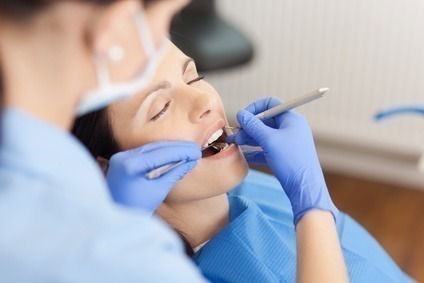
Skipping cleanings might feel harmless — until it isn’t. Consistent visits help you:
The patients with the healthiest, longest-lasting smiles aren’t the ones with perfect genes — they’re the ones who show up twice a year.
Your dental cleaning in Vancouver appointment continues with a thorough professional cleaning that removes what daily brushing can’t:
You leave with cleaner teeth, healthier gums, and a clear plan for keeping them that way.

Low-radiation digital imaging that reveals hidden cavities, bone loss, root problems, and issues that can’t be seen with the naked eye.
A quick, painless check of your lips, cheeks, tongue, throat, and gums for early signs of oral cancer. Early detection can improve treatment outcomes.
Using a small probe, we measure the pockets around each tooth to check for gum disease and track your gum health over time.
Every tooth is checked for decay, cracks, wear, and damage — including hard-to-see back teeth.
We examine any existing fillings, crowns, veneers, or bridges to make sure they’re still holding up.
Modern imaging captures detailed pictures of your teeth so we can plan treatment accurately and show you exactly what we see.
Based on the findings, we build a personalized plan tailored to your goals — no cookie-cutter recommendations.
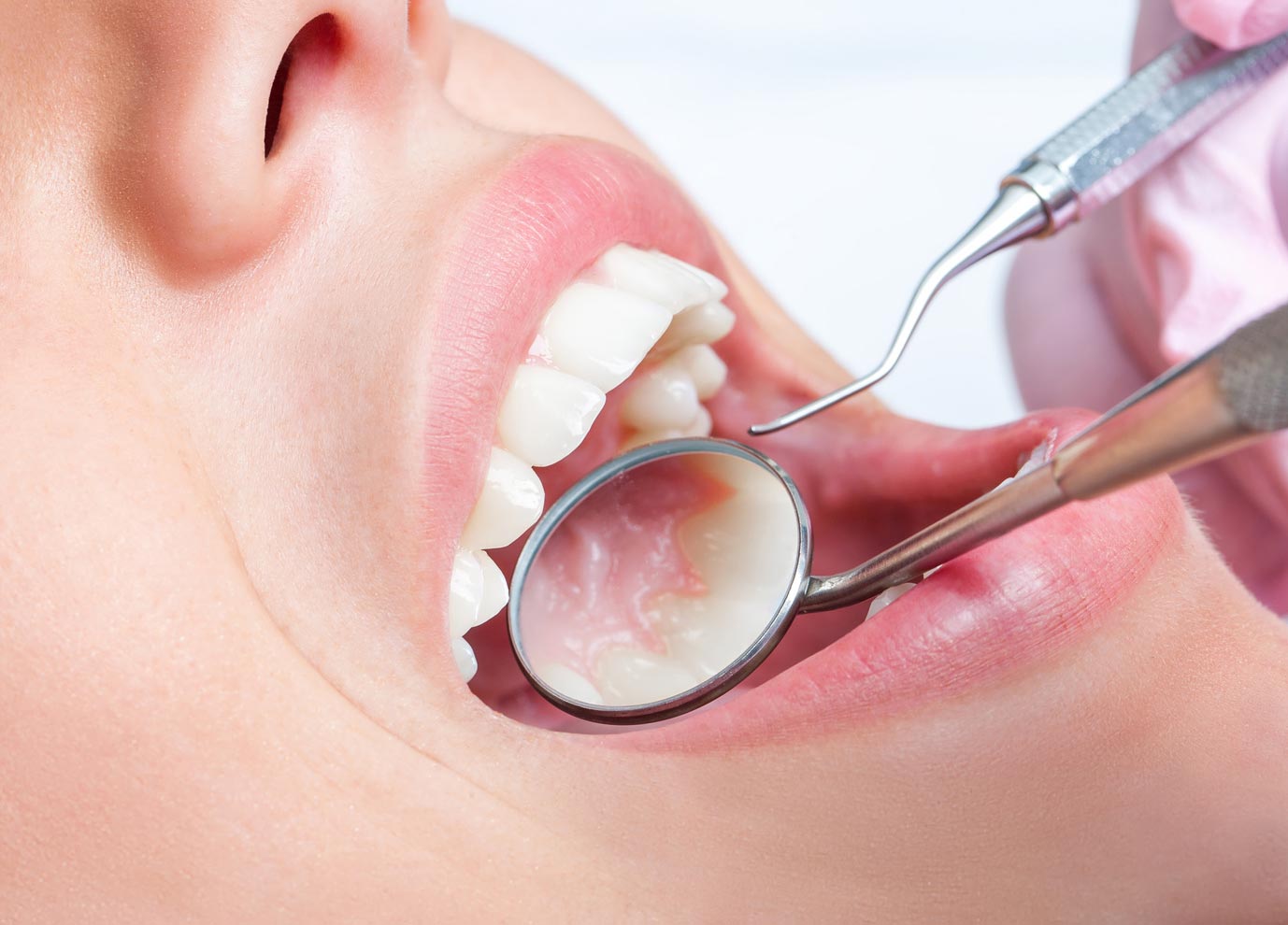
Preventive care shouldn’t come with sticker shock. We’re committed to keeping our affordable dental cleaning in Vancouver accessible to everyone through:
The cheapest dentistry is almost always the dentistry you catch early — which is why routine cleanings are one of the best investments you can make in your health.

Great daily habits protect the work we do in the office:

A healthier smile is closer than you think — and it starts with a single visit. Schedule your dental cleaning in Vancouver at Dentist On Kingsway today and let our gentle team give your smile the care it deserves.
Every six months is the familiar guidance, and it suits most people — but the right interval genuinely depends on your risk rather than the calendar.
More often, every three to four months, is appropriate if you have a history of gum disease, smoke, have diabetes, experience dry mouth from medication, are in fixed orthodontic braces, or build tartar quickly.
Every six months works for the majority of adults with healthy gums and reasonable home care.
Every nine to twelve months can be reasonable for a small group with consistently healthy readings, excellent home care and no risk factors.
The value of the interval is early detection. Decay caught at the enamel stage may need nothing more than fluoride and monitoring; the same tooth two years later may need a filling, or a root canal and crown. Gum disease follows the same pattern, and its early stage is painless. Waiting until something hurts means waiting until the cheap options have passed.
A visual examination is thorough but it cannot see through tooth structure or below the gumline, and roughly a third of what matters is hidden there.
Bitewing X-rays show the surfaces between teeth, where decay most commonly starts and where it is invisible until it is large. They also show bone levels, which is how early gum disease is detected objectively.
Periapical X-rays show a whole tooth including the root tip, revealing infection at the root, cysts, and the position of unerupted teeth.
Panoramic X-rays capture both jaws in one image and are used for assessing wisdom teeth, jaw joints and overall development.
On safety: modern digital dental X-rays use a very small dose, and we take them only when they will change what we do. If you are pregnant, tell us — routine imaging is usually deferred, though urgent diagnosis can proceed safely with shielding.
How often depends on your risk. Patients with no history of decay need them far less frequently than those with active problems, and we will explain why we are recommending them.

A comprehensive exam checks considerably more than whether you have a cavity, and much of it happens in a few quiet minutes you may not notice.
Decay on every surface of every tooth, plus the condition of existing fillings and crowns — old restorations fail at the margins, and catching that early is far cheaper than treating what develops underneath.
Gum health, measured rather than eyeballed: pocket depths around each tooth and where bleeding occurs, recorded so change over time is visible.
Oral cancer. A systematic check of the tongue, floor of the mouth, cheeks, palate, throat and the lymph nodes in your neck. Oral cancer is far more treatable when found early, and early lesions are usually painless.
Your bite and jaw joints, including wear facets that reveal grinding you may be unaware of.
Soft tissue and general signs. The mouth shows early signs of several systemic conditions, which is part of why the exam is worth having even if your teeth feel fine.
A new-patient appointment normally combines three billable items: the comprehensive examination, any X-rays that are due, and the cleaning itself. Cleaning is billed in units of scaling time, so someone who has not been seen for several years will need more units than someone attending regularly.
Most extended health plans cover preventive care generously — often 80 to 100 percent — though many cap the number of scaling units and the frequency of exams and X-rays per year. Two numbers are worth asking your provider for: your annual maximum, and your scaling unit limit.
We bill insurers directly, so you pay the difference at the appointment rather than the full amount upfront. We also accept the Canadian Dental Care Plan, which covers examinations, X-rays and cleanings for eligible patients — mention it when you book so we can verify coverage in advance.
If you have no coverage, ask us for the fee before you come in. It is a straightforward figure and we would rather you knew it up front. Anything found during the exam is quoted in writing before treatment begins.
We take digital X-rays, screen for oral cancer, measure your gums, examine every tooth, review any existing dental work, and capture intraoral photos or a 3D scan. Then we build a personalized care plan.
They catch cavities, gum disease, oral cancer, and other issues in their earliest stages — when treatment is simpler, gentler, and less expensive.
Most patients should visit every six months. Patients with gum disease, diabetes, or higher cavity risk may need visits every 3–4 months.
Yes. Modern digital X-rays use up to 90% less radiation than older film systems — an extremely low exposure considered very safe.
Cavities, gum disease, oral cancer, cracked teeth, bite issues, jaw problems, and even signs of systemic conditions like diabetes or acid reflux.
Plaque is a soft bacterial film that forms daily and can be brushed off. Tartar is hardened plaque that only professional tools can remove.