

For many people, the idea of sitting in a dental chair sends a wave of anxiety. The sound of the drill, the thought of needles, or even the smell of the clinic can make you feel uneasy. If you’ve been avoiding the dentist because of fear or nervousness, you’re not alone. The good news? Sedation dentistry could be your solution.
If you’ve been wondering how to ease your dental anxiety, keep reading to learn how sedation dentistry can help.
What is Sedation Dentistry?
In basic terms, sedation dentistry is the use of medication to relax you during dental visits. If you have dental work done, whether it’s a basic cleaning or a more thorough procedure, sedation will enhance your experience, make it more comfortable, and less stressful. It’s even a great option to help those with dental-related anxiety or those who have trouble remaining still for long periods.
There are many different types of sedation that can be useful during a procedure, whether it’s a regular cleaning or a more complicated procedure such as a root canal or extraction. The aim here is to make sure you are comfortable and relaxed during your experience.
What is Oral Sedation for Dentistry?
There are various sedation dentistry techniques that can be used to help you get the treatment that you need. One of the more common and simpler methods of sedation dentistry is called oral sedation. So what is oral sedation for dentistry? You take a sedative pill before the appointment, usually around an hour before the procedure.
The sedative helps you relax and calm your nerves, making it much easier to go through the treatment. Most patients feel drowsy, and many report that they remember very little about the procedure afterward.
What is Conscious Sedation in Dentistry?
If you’ve asked, “What is conscious sedation in dentistry? ”, it’s essentially a step up from oral sedation. With conscious sedation, you are still awake and responsive, but you feel completely relaxed and at ease.
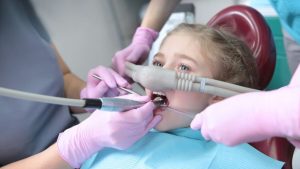
Nitrous oxide, or laughing gas, is one of the most common forms of conscious sedation. It’s administered through a mask that you breathe in during the procedure. The best part? The effects wear off quickly after the mask is removed, so you can leave the office and resume your normal activities right away.
Conscious sedation can be a great choice for patients who need a little more help than oral sedation offers, but don’t need to be fully asleep during the procedure.
Sedation Options for Dental Procedures
There are different sedation methods available for dental work. Light sedation means you are still conscious but very relaxed. A heavier sedation means you are more deeply relaxed, a little different. The sedation you choose depends on the procedure, how bad your dental anxiety is, and how you respond to sedatives.
Here’s a quick overview of the most common sedation options available:
- Minimum sedation: This is used for procedures like teeth cleanings and fillings. You will stay awake and alert. However, you will be more relaxed and at ease.
- Moderate sedation / conscious sedation: This is used for more complicated procedures like extractions and deep cleanings. You will be drowsy and not able to remember a lot of the details of the procedure. However, you will be able to respond to questions and instructions.
- Deep sedation: This is the solution for severe dental anxieties. It is used for more complicated and longer procedures. You will be deeply relaxed and might not remember a lot of the details of the procedure. Deep sedation gives you the possibility of falling asleep, but you will still technically be responsive if needed.
- General anesthesia: This is the deepest level of sedation. With general anesthesia, the patient needs to be completely unconscious. This option is for patients who are really anxious, and it is also for patients who are going to undergo a lot of dental work. However, most of the time, it is not done for routine dental work.
What is IV Sedation Dentistry?
One of the most effective forms of sedation for dental procedures is IV sedation. This type of sedation is administered directly into your bloodstream via an intravenous (IV) line, allowing for quick, controlled effects. It’s often used for patients who require deeper sedation or are undergoing more extensive dental work.
IV sedation dentistry offers a higher level of control for both the dentist and the patient. The sedative takes effect rapidly, and the dentist can adjust the level of sedation throughout the procedure to ensure your comfort. It’s also a good option for patients who have a low tolerance for pain or who struggle to stay still during procedures.
Benefits of Sedation Dentistry
The benefits of sedation dentistry go far beyond simply reducing anxiety. Here are some of the key advantages:
- Reduced Anxiety: Sedation is a game-changer for people with dental phobias or general anxiety about dental work.
- Pain-Free Procedures: Sedation dentistry helps numb pain, making it easier for patients to undergo dental procedures without discomfort.
- Multiple Procedures in One Visit: If you need several dental treatments, sedation can make it possible to complete them all in one session, saving you time and reducing the need for multiple visits.
- Faster Recovery: With sedation, you’re more relaxed, which can help reduce recovery time after procedures.
- Improved Focus and Comfort: Sedation helps you stay still, which is especially important for procedures that require precision. It also helps you remain comfortable throughout the treatment, without the need for breaks or adjustments.
Conclusion
Sedation dentistry could be the solution you need if you are anxious about visiting the dentist. There are several different types of sedation dentistry available. Oral sedation, conscious sedation, IV sedation, or deep sedation. Each of these types is designed to help you relax and feel comfortable at your appointment. At Dentist on Kingsway, we understand that dental fear is real, and we’re here to help you overcome it.
Frequently Asked Questions (FAQs)
1. What is oral sedation for dentistry?
Oral sedation involves taking a sedative pill before your dental appointment. It helps you relax and feel calm throughout your procedure, but you remain awake and aware.
2. What is conscious sedation in dentistry?
Conscious sedation allows you to remain awake but relaxed during your dental procedure. Nitrous oxide (laughing gas) is a common form of conscious sedation that reduces anxiety and discomfort.
3. What is deep sedation in dentistry?
Deep sedation is used for more complex procedures. You are deeply relaxed and may not remember much of the procedure, though you are still responsive if needed.
4. What sedation options are available for dental procedures?
Sedation options range from minimal sedation (light relaxation) to deep sedation (semi-conscious or unconscious). The best option depends on the procedure and your anxiety level.