
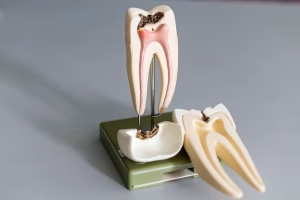
What Is a Root Canal Treatment?
Root canals are necessary when the soft center, or pulp, of the tooth is infected or inflamed. This can be caused by severe tooth decay, cracks in the tooth, or tooth injury.
Knowing what to expect will help with the anxiety that often accompanies this procedure. In this procedure, the dentist will remove the infected pulp, clean and seal the interior of the tooth to eliminate the infection and prevent further infection.
Common Root Canal Symptoms
Identifying the early signs of a root canal can help you get treatment for the condition before it gets worse:
- Pain in the tooth
- Sensitivity to hot or cold
- Swollen gums
- Dark color of the tooth
If you are experiencing these signs, this is a little insight into why you need a root canal treatment.
How Long Does a Root Canal Take?
Patients often wonder, “How long does a root canal take?” Well, it depends on your specific condition.
Simple procedures: 60 to 90 minutes
Complex procedures: 2 visits
The location of the tooth and the severity of infection may affect the root canal process. Molars may take a little more time since they have more roots.
Root Canal vs Filling: What’s the Difference?
When comparing root canal vs filling, the key difference lies in how deep the damage goes.
- A filling treats surface-level decay
- A root canal treats infection inside the tooth
If decay progresses beyond what a filling can fix, a root canal treatment process becomes necessary to save the tooth.
Root Canal vs Extraction: Which Is Better?
The debate around root canal vs extraction often comes down to long-term oral health.
Root Canal
- Preserves your natural tooth
- Maintains jawbone structure
- Avoids additional procedures
Extraction
- Removes the damaged tooth
- May require implants or bridges
- Can lead to bone loss over time
While there are root canal alternatives, such as extraction, saving your natural tooth is usually the preferred option whenever possible.

Root Canal Treatment Cost: What to Expect
Understanding the root canal treatment cost helps you plan ahead.
Costs vary depending on:
- The tooth being treated
- Severity of infection
- Need for a crown
At Dentist on Kingsway, we offer transparent pricing, insurance support, and flexible payment plans to make treatment accessible.
What Happens During a Root Canal Procedure?
Knowing the root canal treatment process can make the experience less intimidating.
Step-by-Step Overview
- Examination and X-rays
- Local anesthesia for comfort
- Removal of infected pulp
- Cleaning and shaping of canals
- Sealing the tooth
- Final restoration (often a crown)
This entire root canal procedure is performed with modern techniques focused on comfort and precision.
Does a Root Canal Hurt? Understanding Pain Management
A common concern is pain, but modern root canal pain management techniques make the procedure comparable to getting a filling.
In fact, a root canal is meant to eliminate pain caused by infection, not create it.
What to Expect After a Root Canal
Understanding what to expect after a root canal helps you feel prepared.
Root Canal Healing Time
- Mild sensitivity for a few days
- Full healing varies by individual
Root Canal Aftercare
- Avoid chewing on the treated tooth initially
- Maintain good oral hygiene
- Attend follow-up visits
Root Canal Recovery Tips
- Take prescribed medications if needed
- Stick to soft foods temporarily
- Follow your dentist’s instructions
Proper root canal aftercare ensures long-lasting results.
Root Canal Side Effects and Risks
While root canals are highly successful, some minor root canal side effects may include:
- Temporary sensitivity
- Mild discomfort
- Slight swelling
These are usually short-lived and manageable with proper care.
Preparing for a Root Canal
If you’re preparing for a root canal, here are a few simple tips:
- Eat a light meal before your appointment
- Take prescribed medications if advised
- Ask your dentist any questions beforehand
Being prepared helps reduce anxiety and ensures a smoother experience.
Benefits of Root Canal Treatment
Choosing a root canal offers several long-term benefits:
- Saves your natural tooth
- Eliminates infection and discomfort
- Restores normal function
- Prevents further complications
For most patients, it remains the best solution compared to other root canal alternatives.

Get Expert Root Canal Care at the Dentist on Kingsway
A root canal is not something to fear; it’s a highly effective way to relieve pain, remove infection, and protect your natural smile.
At Dentist on Kingsway, we combine advanced technology with patient-focused care to ensure your treatment is as comfortable as possible.
If you’re experiencing tooth pain or noticing root canal symptoms, book your consultation with a dentist on Kingsway today and take the first step toward lasting relief.
Frequently Asked Questions
How long does a root canal last?
With proper care, it can last a lifetime.
Is a root canal better than an extraction?
Yes, preserving your natural tooth is usually the best option.
What is the root canal healing time?
Most patients recover within a few days, with minimal discomfort.
Are there any serious root canal side effects?
Serious complications are rare when performed by an experienced dentist.