If you are thinking about straightening your smile, the first question is almost always the same: how much does Invisalign cost? It is a fair question, and the honest answer is that there is no single price — Invisalign is made for your teeth, so the number depends on your case.
What you can get, though, is a realistic range before you walk in the door. This guide sets out what Invisalign typically costs in Canada, what pushes a quote up or down, how insurance and payment plans change the real number, and the specific things to check so a quote does not grow halfway through treatment. At Dentist on Kingsway in Vancouver we would rather you arrived informed than surprised.
The Short Answer
For most adults in Canada, comprehensive Invisalign treatment is commonly quoted between about $3,000 and $8,000 — the same range we use in our Invisalign vs traditional braces comparison. Short, limited-scope plans for minor corrections start lower, and complex bite corrections sit at the top of the range. Vancouver, like most large urban markets, tends to fall in the upper half.
Those are typical ranges rather than quotes. The only number that means anything for your mouth comes from a scan and a written treatment plan.
Invisalign Cost in Canada by Treatment Type
Invisalign is sold in packages that differ mainly by how many aligners you get and how long treatment runs. Knowing which one you are being quoted for is the fastest way to compare two estimates fairly.
| Treatment type | Best for | Typical cost (CAD) | Typical length |
|---|---|---|---|
| Invisalign Express | Minor relapse, small gaps | $1,800 – $3,500 | 3–6 months |
| Invisalign Lite | Mild crowding | $3,000 – $4,500 | 6–9 months |
| Invisalign Moderate | Moderate misalignment | $4,000 – $6,000 | 9–14 months |
| Invisalign Comprehensive | Full bite correction | $5,500 – $8,000 | 12–24 months |
Ranges are typical Canadian figures for planning purposes and are not a quote. Your own price depends on the factors below.
What Invisalign Costs in Vancouver
Vancouver sits in the upper half of the national range, and it is worth knowing why rather than just being told that it does. Dentists in British Columbia set their own fees, using the BC Dental Association’s annual suggested fee guide as a reference point rather than a fixed price list. Two practices a few blocks apart can therefore quote differently for the same mouth, and neither is doing anything unusual.
Three things move a Vancouver quote more than the postcode does:
- How many aligners your case needs. This is the single biggest factor. A minor front-tooth correction and a full bite correction are different treatments that happen to share a name.
- Whether anything has to be done first. Active decay, gum disease or an old restoration that will not survive the movement all get treated before aligners start, and those are separate fees.
- What the quote includes. Scans, refinements, whitening and the first set of retainers are sometimes bundled and sometimes not. A lower number that excludes retainers is not actually lower.
Downtown practices generally quote at the higher end of the Vancouver spread; clinics along the Kingsway corridor and through East Vancouver tend to sit nearer the middle. If you are comparing two quotes, compare what each one contains before comparing the totals — that single habit is worth more than shopping by neighbourhood.
We are on Kingsway, and we put the package, the inclusions and the total in writing after a scan, so the figure you leave with is the figure you pay. If a shorter, cheaper option would fix what is bothering you, we will tell you that too.
A Quick Look at How Invisalign Works
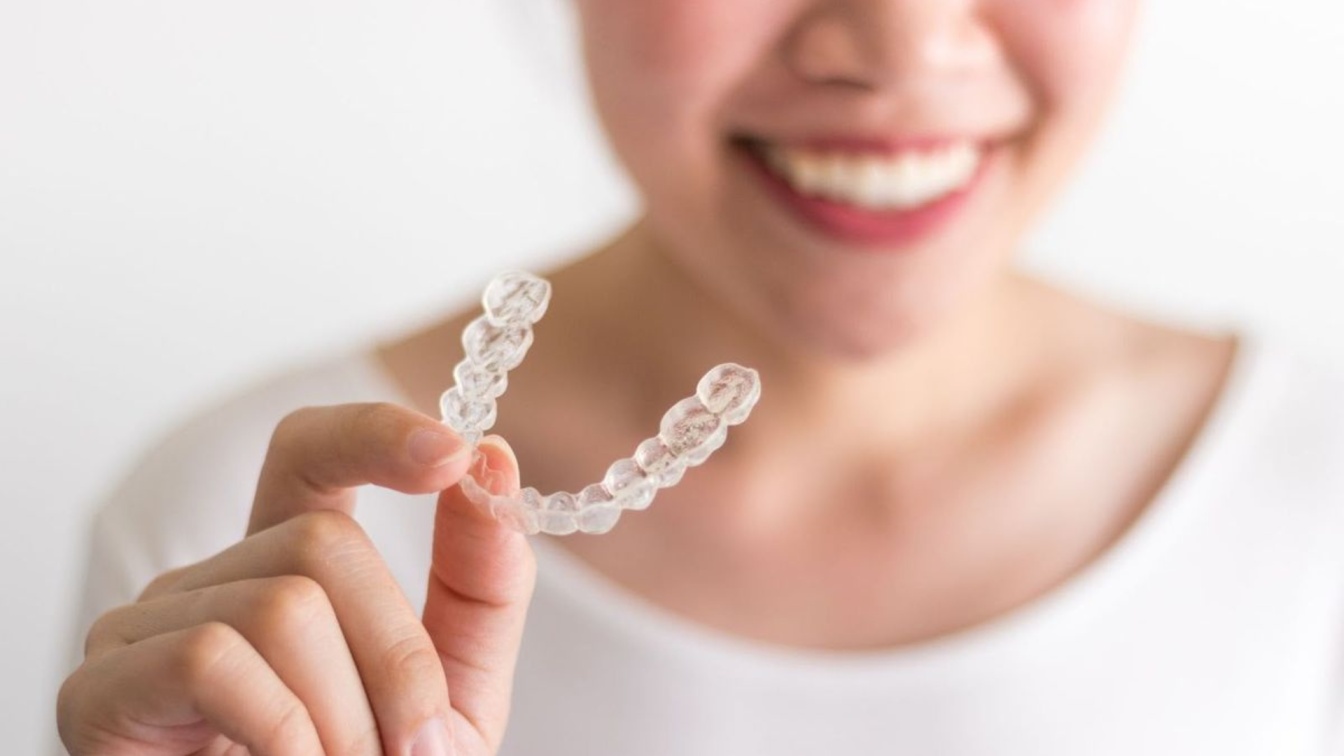
Invisalign straightens teeth using a series of clear, custom-made aligners instead of brackets and wires. You wear each set for roughly one to two weeks, around 20 to 22 hours a day, then move to the next, and your teeth shift gradually into position.
That matters for cost because the number of aligners is the single biggest driver of your fee. More movement means more trays, more chair time and more monitoring. It is why a small cosmetic correction and a full bite correction are priced so differently.
What Affects the Cost of Invisalign?
How complex your case is
Minor crowding or a small gap is straightforward and usually sits at the lower end. Significant overbite, underbite, crossbite or rotation takes longer, needs more aligners and often needs attachments, which raises the price.
How long your treatment takes
A six-month plan uses a fraction of the trays a two-year plan does. Treatment length is set by the movement required, not by preference, and it is the clearest predictor of the final figure.
Which Invisalign package you need
Express, Lite, Moderate and Comprehensive are priced by Align differently and cap the number of aligners included. If your case needs more trays than your package allows, the difference is charged — which is why the package name belongs in your written quote.
Whether you need work done first
Untreated decay or gum disease is dealt with before aligners start. A filling, a cleaning or gum disease treatment is a separate cost, and skipping it is not an option — teeth cannot be moved safely through unhealthy gums.
Your provider and location
City practices generally price above small-town ones, and providers with more aligner experience may price differently. Experience is worth paying something for: a well-planned case is more likely to finish on schedule and less likely to need extra rounds of refinement.
Retainers after treatment
Teeth drift back without retainers. Some quotes include a set, some charge separately, and replacements are an ongoing cost over the years. Always ask which applies — our Invisalign care tips explain why retention matters as much as the treatment itself.
What Is Included in Your Invisalign Cost?
A complete Invisalign fee normally covers:
- The consultation, digital scan and 3D treatment planning
- Every set of aligners from start to finish
- Attachments and any interproximal reduction needed
- All progress appointments during treatment
- Refinement aligners if teeth need fine-tuning at the end
- Your first set of retainers
Not every quote includes all six. A lower headline number that excludes refinements and retainers can end up costing more than a higher all-in one, so compare on the same basis and get the inclusions in writing.
Is Invisalign More Expensive Than Braces?
Not by as much as it used to be. Metal braces were once considerably cheaper; as clear aligners have become mainstream, the gap has narrowed to the point where many patients are quoted something similar for both.
| Factor | Invisalign | Traditional braces |
|---|---|---|
| Typical cost (CAD) | $3,000 – $8,000 | $2,500 – $7,500 |
| Visibility | Nearly invisible | Visible brackets and wires |
| Removable | Yes, for eating and brushing | No |
| Cleaning | Normal brushing and flossing | Needs extra tools and time |
| Depends on | Wearing them 20–22 hours a day | Attending adjustments |
For a fuller side-by-side, including which bite problems each handles best, see our Invisalign vs braces guide.
Does Dental Insurance Cover Invisalign in Canada?
Often, at least in part. Private and employer plans that include orthodontic benefits usually treat Invisalign the same way they treat braces. Three details decide how much you actually get back:
- Coverage rate. Commonly 25% to 50% of the treatment fee.
- Lifetime orthodontic maximum. Frequently in the range of $1,500 to $3,000 per person — and it is a lifetime cap, not an annual one.
- Age limits. Many plans only cover orthodontics for dependents under 18. Adult coverage exists but is less common.
Bring your plan booklet to your consultation and we will help you read it. Where a plan allows it, a pre-determination submitted before treatment tells you the exact reimbursement in advance.
Does the CDCP or MSP Cover Invisalign?
This is the question we are asked most, and the answer is straightforward.
The Canadian Dental Care Plan does not cover orthodontic treatment. The CDCP covers preventive, diagnostic, restorative, endodontic, periodontal, prosthodontic and oral surgery services — cleanings, fillings, root canals, dentures, extractions and similar. Clear aligners are not on that list. You can see the covered categories on our Canadian Dental Care Plan page, and we welcome eligible CDCP patients for the treatments it does cover.
British Columbia’s Medical Services Plan does not cover routine dental treatment either, and that includes orthodontics. For Invisalign, funding comes from private or employer benefits, a payment plan, or both.

Payment Plans, Financing and Tax
Most people do not pay for Invisalign in one go. The usual routes:
- In-practice payment plans. A down payment followed by monthly instalments across the length of treatment, frequently at little or no interest. Monthly figures commonly land somewhere between $150 and $400 depending on the plan length and the total.
- Third-party dental financing. Canadian dental lenders offer promotional interest-free periods subject to credit approval.
- Health or wellness spending accounts. If your employer offers one, orthodontics is normally an eligible expense.
- The medical expense tax credit. Orthodontic treatment undertaken for a medical reason can qualify as an eligible medical expense; purely cosmetic procedures do not. You can claim eligible expenses above the lesser of 3% of your net income or the CRA’s annual maximum. Keep your treatment plan and receipts, and check your own situation with a tax professional.
Combine a payment plan with whatever insurance you have and the monthly figure is usually far more manageable than the headline price suggests.
Five Things That Make a Quote Grow Later
- A package cap you were not told about. Ask which Invisalign package is quoted and how many aligners it includes.
- Refinements charged separately. Most cases need at least one round. Find out how many are included.
- Retainers excluded. Ask whether the first set is in the price and what replacements cost.
- Preparatory work not costed. Fillings, cleanings or extractions needed first should appear in the same plan.
- A very low advertised price. Headline offers usually cap the tray count tightly. If your case needs more, you pay the difference at the point you are least able to walk away.
None of these are unusual or dishonest in themselves — they only become a problem when they are not spelled out. The Canadian Dental Association’s orthodontics overview is a useful neutral read before your consultation.
How to Get Your Exact Invisalign Price
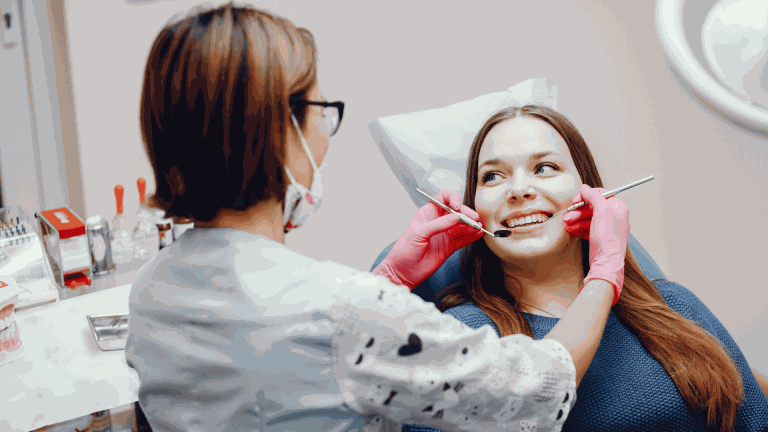
The only way to get a real number is a consultation. Your dentist examines your teeth and gums, takes a digital scan, and maps out the movement required step by step. From there you receive a written quote with the package, the inclusions, the timeline and the payment options set out clearly. You can see exactly what happens at your first Invisalign consultation.
It is also worth checking any provider’s current experience level on Align’s own Invisalign Doctor Locator, which shows each practice’s provider status independently of what their website says.
Is Invisalign Worth It?
Cost is one part of the decision. Straighter teeth are easier to clean, which reduces the long-term risk of decay and gum disease, and for many patients the removable, nearly invisible format is what finally makes treatment feasible as a working adult. Set against that, aligners only work if you wear them, and a plan you will not follow is not a bargain at any price.
Weigh the total value rather than the sticker price, and be honest with yourself about the 20-to-22-hours-a-day part.
Invisalign at Dentist on Kingsway
Dentist on Kingsway is a Platinum Plus Invisalign provider in Vancouver, and Dr. Harpreet Dhillon has treated clear aligner cases from minor corrections through to full bite corrections. We put the package, the inclusions and the total in writing before you commit, and we explain the options in plain language.
You can read why Vancouver residents are choosing Invisalign, or look at wider orthodontic services if aligners turn out not to be the right tool for your bite.
Frequently Asked Questions
How much does Invisalign cost in Canada?
Comprehensive Invisalign treatment is commonly quoted between about $3,000 and $8,000 in Canada, with short plans for minor corrections starting lower and complex bite corrections sitting at the top of the range. The exact figure comes from a consultation and a digital scan.
How much does Invisalign cost in Vancouver?
Vancouver is a large urban market, so quotes tend to sit in the upper half of the national range. Location is only one factor, and case complexity and treatment length matter more, so a written quote after a scan is the only reliable number.
Is Invisalign covered by insurance in Canada?
Often, at least in part. Many private and employer plans that include orthodontic benefits cover 25 to 50 per cent of treatment up to a lifetime orthodontic maximum, commonly in the range of $1,500 to $3,000. Many plans limit coverage to dependents under 18.
Does the Canadian Dental Care Plan cover Invisalign?
No. The CDCP covers preventive, diagnostic, restorative, endodontic, periodontal, prosthodontic and oral surgery services, and orthodontic treatment such as clear aligners is not among them. Funding for Invisalign comes from private benefits or a payment plan.
Are there payment plans for Invisalign?
Yes. Most practices, including ours, offer monthly payment plans spread across treatment, often with little or no interest, and third-party dental financing is also available. Monthly amounts commonly fall between $150 and $400 depending on the total and the plan length.
Is Invisalign more expensive than braces?
Sometimes, but the gap has narrowed. Braces are commonly quoted at about $2,500 to $7,500 and Invisalign at about $3,000 to $8,000, and for many cases the two land close together. Which one suits your bite matters more than the difference in price.
How long does Invisalign take?
Most cases finish in about 12 to 18 months, though minor corrections can be done in as little as three to six months and complex cases can run to two years. Wearing the aligners 20 to 22 hours a day is what keeps treatment on schedule.
Can I claim Invisalign on my taxes in Canada?
Orthodontic treatment carried out for a medical reason can qualify as an eligible medical expense, while purely cosmetic procedures do not. Eligible expenses are claimed above the lesser of 3 per cent of your net income or the annual CRA maximum. Keep your treatment plan and receipts and confirm your own position with a tax professional.
Book Your Invisalign Consultation in Vancouver
The fastest way to replace a range with a real number is a scan and a written plan. Dentist on Kingsway is at 2249 Kingsway, Vancouver, open Tuesday and Wednesday 9am to 5pm, Thursday 9am to 7pm, and Friday and Saturday 9am to 4pm.
Call 604-558-2442 or book an appointment, and we will show you what your treatment would involve and exactly what it would cost.
Cost ranges in this article are typical Canadian figures given for planning purposes and are not a quote or an offer of treatment. Prices vary by case, practice and province.